The Golden Age of Comics was the era that transformed comic books from simple entertainment into a worldwide cultural phenomenon. Beginning in the late 1930s and continuing through the early 1950s, this remarkable period introduced unforgettable heroes, groundbreaking storytelling techniques, and artistic innovations that continue to influence popular culture today. It was during the Golden Age that the superhero genre truly came to life, inspiring generations of readers while establishing many of the traditions that still define comic books more than eighty years later. The comic books published during this era did much more than entertain audiences. They introduced iconic characters, expanded the possibilities of visual storytelling, and reflected the hopes, fears, and values of a rapidly changing world. These groundbreaking publications laid the foundation for countless comics, blockbuster films, animated series, television shows, novels, and video games that followed. Whether introducing extraordinary heroes, unforgettable villains, or entirely new storytelling techniques, the most important Golden Age comics changed the entertainment industry forever and remain essential milestones in comic book history.
A: First appearances, major origins, historic covers, cultural influence, and lasting character impact make a Golden Age comic important.
A: Action Comics #1 is often considered the most important because it introduced Superman.
A: Detective Comics #27 introduced Batman.
A: All Star Comics #8 introduced Wonder Woman.
A: It introduced Captain America and featured one of the most iconic patriotic covers in comics.
A: Many key issues are extremely expensive because surviving copies are rare and historically important.
A: Yes, reprints and collected editions make many Golden Age stories easier and cheaper to access.
A: Many were thrown away, damaged, heavily read, or recycled during paper drives.
A: Yes, All Star Comics #3 helped establish the superhero team concept with the Justice Society of America.
A: They introduced the characters, formats, and storytelling ideas that built modern superhero culture.
What Defines the Golden Age of Comics?
The Golden Age generally spans from the late 1930s through the early 1950s. During this time, comic books evolved into original publications featuring exciting adventures instead of simply reprinting newspaper comic strips. Publishers embraced larger-than-life heroes, imaginative science fiction, thrilling mysteries, and colorful action stories that appealed to readers of all ages.
Most importantly, the Golden Age introduced the modern superhero. These extraordinary characters combined secret identities, memorable costumes, incredible abilities, and unwavering moral values into a storytelling formula that quickly captured the imagination of millions. Their popularity helped establish comic books as one of the fastest-growing forms of entertainment in the world.
The Birth of the Superhero
Perhaps the greatest achievement of the Golden Age was the creation of the superhero genre itself. Before this period, adventure stories featured brave detectives, explorers, and masked crime fighters, but the concept of extraordinary individuals using remarkable powers to protect society had not yet become fully developed.
Golden Age creators combined mythology, science fiction, pulp fiction, and adventure storytelling into something entirely new. Their heroes stood apart because they represented hope, justice, and selfless courage while confronting dangers far beyond the abilities of ordinary people.
This revolutionary formula quickly became the foundation of modern superhero storytelling.
Comic Books Became Original Entertainment
Prior to the Golden Age, many comic books simply collected previously published newspaper strips. As the industry evolved, publishers increasingly focused on producing original stories created specifically for comic books.
This shift encouraged writers and artists to experiment with new characters, larger adventures, and more ambitious storytelling techniques. The creative freedom offered by original comic books fueled tremendous innovation, leading to the rapid expansion of genres and the birth of many beloved fictional worlds.
Original storytelling transformed comic books into a unique artistic medium rather than simply an extension of newspaper entertainment.
The Rise of Costumed Heroes
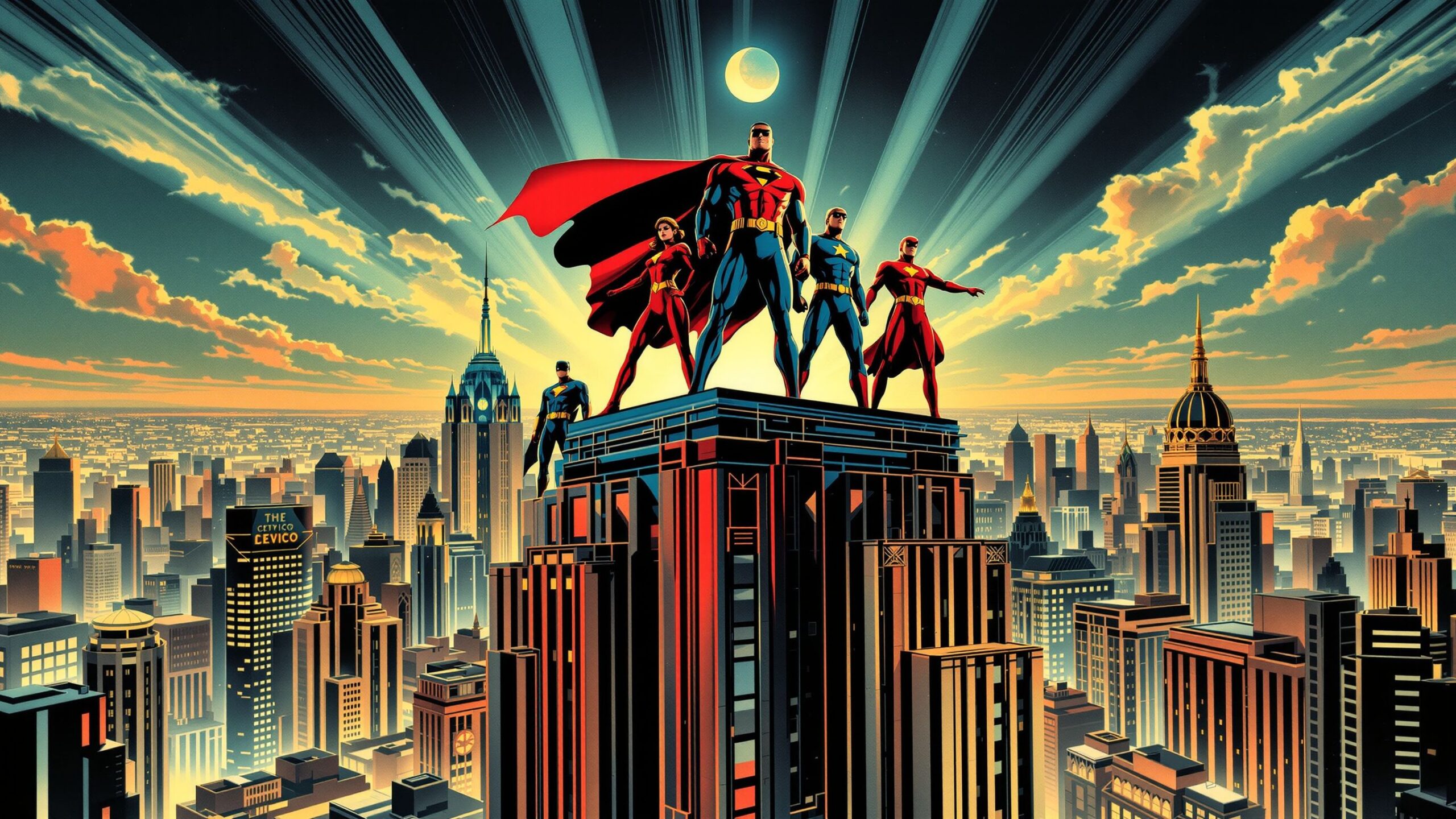
Colorful costumes became one of the defining visual characteristics of the Golden Age. Heroes wore distinctive outfits featuring capes, masks, symbols, gloves, boots, and bold color schemes that made them instantly recognizable to readers.
These costumes served practical storytelling purposes while also creating powerful visual identities. Even decades later, many of the design principles established during the Golden Age continue influencing superhero costume design across comics, films, television, and animation.
The instantly recognizable appearance of these early heroes helped transform them into enduring cultural icons.
Secret Identities Changed Character Development
One of the era’s most influential storytelling innovations was the introduction of secret identities. Heroes often balanced ordinary civilian lives with extraordinary responsibilities, creating emotional conflicts that added depth to every adventure.
Readers related to characters who struggled with careers, friendships, family relationships, and personal responsibilities despite possessing incredible abilities. This balance between everyday life and heroic duty became one of the defining characteristics of superhero storytelling and remains central to the genre today.
The dual identity allowed readers to imagine that anyone might secretly become a hero.
Expanding the Comic Book Universe
As superhero popularity grew, publishers rapidly expanded their fictional worlds. New heroes appeared alongside established characters, creating larger shared universes filled with recurring allies, dangerous villains, and interconnected adventures.
This expanding continuity encouraged readers to follow multiple series while building emotional investment in an ever-growing cast of characters. Shared universes became one of comic books’ most successful storytelling innovations and continue forming the backbone of modern superhero franchises.
The Golden Age demonstrated that individual stories could become part of something much larger.
Wartime Stories Inspired Millions
The Golden Age unfolded during World War II, and comic books naturally reflected the concerns of the era. Many stories emphasized courage, perseverance, freedom, sacrifice, and the importance of standing against oppression.
Although presented through colorful adventures and exciting action sequences, these stories offered hope and encouragement during difficult times. Heroes became symbols of resilience who reminded readers that determination and compassion could overcome even the greatest challenges.
These wartime adventures remain valuable historical reflections of the period in which they were created.
Villains Became Larger Than Life
Great heroes require memorable opponents, and the Golden Age introduced many of the storytelling techniques that continue defining comic book villains today. Criminal masterminds, scientific geniuses, mysterious masked enemies, supernatural threats, and powerful conquerors all emerged during this remarkable era.
Rather than simply creating obstacles, these villains challenged heroes both physically and morally. Their dramatic personalities and imaginative schemes added excitement while helping establish recurring rivalries that remain popular decades later.
The hero-versus-villain dynamic became one of the genre’s greatest strengths.
Artistic Innovation Transformed Storytelling
Golden Age artists developed visual storytelling techniques that revolutionized comic books. Dynamic action poses, dramatic perspective, expressive facial expressions, creative panel layouts, and bold color choices helped create fast-paced adventures that practically leaped from the page.
Limited printing technology encouraged artists to communicate stories efficiently through strong compositions and memorable character designs. Their innovations established artistic traditions that continue inspiring modern comic book creators around the world.
The visual language developed during the Golden Age remains instantly recognizable today.
Adventure Expanded Beyond Superheroes
Although superheroes dominated the Golden Age, many other genres flourished alongside them. Mystery, western, science fiction, romance, jungle adventures, detective stories, horror, and humor all enjoyed tremendous popularity.
This diversity encouraged publishers to experiment constantly, introducing fresh ideas and storytelling techniques that enriched the comic book industry as a whole. Many creators worked across multiple genres, bringing new perspectives and creative energy to every project.
The Golden Age proved that comic books could successfully tell virtually any type of story.
Comic Books Reached a Massive Audience
During the Golden Age, comic books became one of the most widely read forms of entertainment. Millions of copies were sold regularly, reaching children, teenagers, and adults across the country.
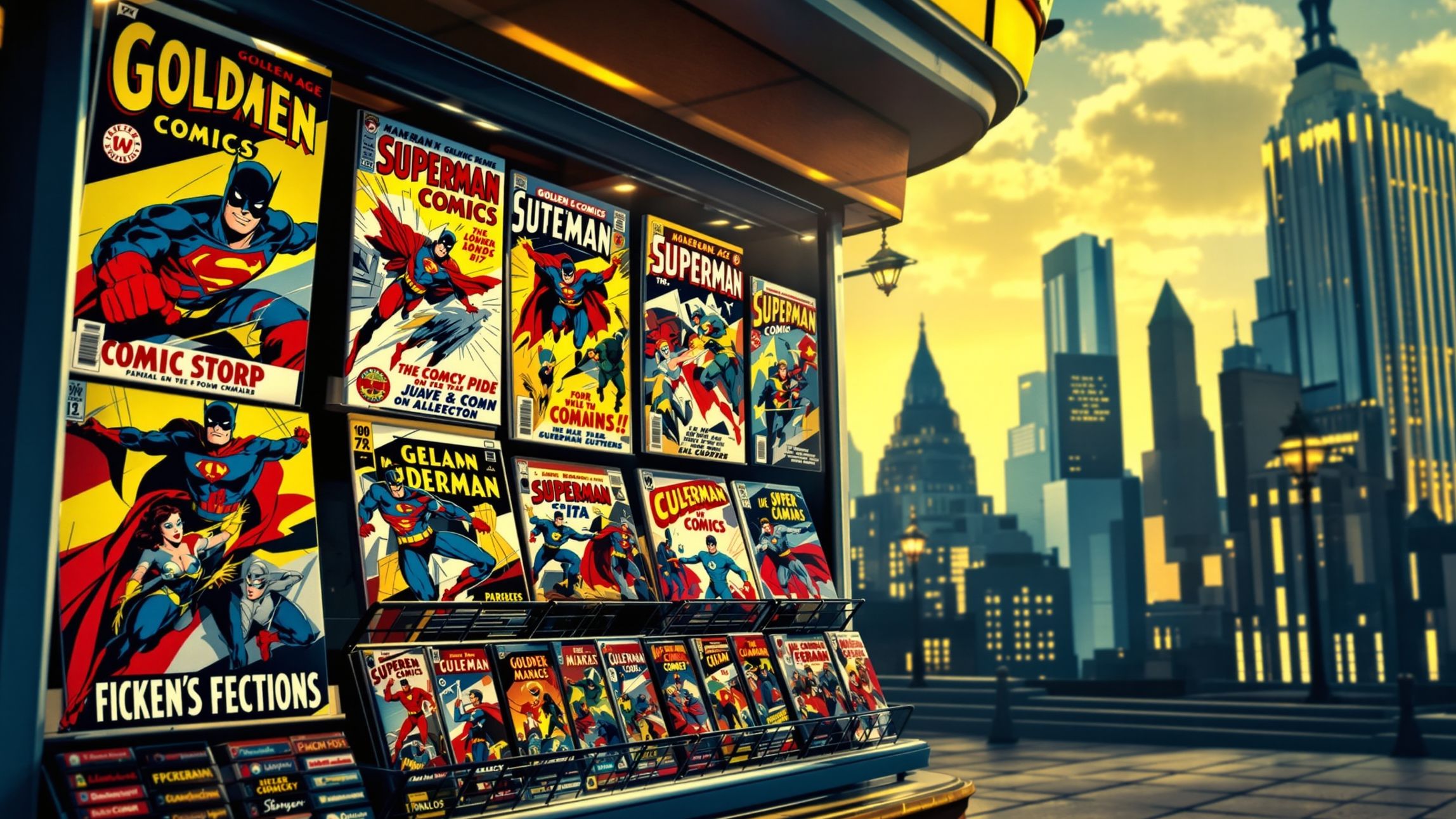
Affordable pricing and widespread distribution allowed comic books to become accessible to nearly everyone. Newsstands, drugstores, grocery stores, and neighborhood shops carried colorful comics that quickly became part of everyday life.
This enormous popularity helped establish comic books as a permanent part of modern culture.
The Influence on Future Generations
Many creators who entered the comic book industry during later decades grew up reading Golden Age comics. The imaginative worlds, unforgettable heroes, and groundbreaking storytelling techniques inspired countless writers and artists to pursue careers creating their own adventures.
Each new era of comics built upon the innovations introduced during the Golden Age while adding fresh ideas for contemporary audiences. The influence of these early stories continues shaping superhero fiction across every form of entertainment.
The Golden Age remains the creative foundation upon which the modern comic book industry was built.
Why These Comic Books Still Matter
The most important Golden Age comic books continue attracting readers because their themes remain timeless. Courage, hope, justice, sacrifice, friendship, and perseverance resonate just as strongly today as they did generations ago.
Modern readers also appreciate these historic publications because they offer fascinating insights into the origins of iconic characters and the evolution of comic book storytelling. They reveal how creators solved creative challenges while pioneering techniques that later became industry standards.
Studying these landmark comics helps readers better understand the incredible growth of the superhero genre.
Collecting Golden Age Comics Today
Golden Age comic books remain among the most treasured collectibles in the hobby. Their historical importance, rarity, artistic significance, and influence on popular culture have made many original issues highly sought after by collectors.
While original editions can be difficult to obtain, many classic Golden Age stories have been preserved through modern reprints and collected editions. These releases allow new generations of readers to experience the groundbreaking adventures that launched the superhero era without needing access to rare original copies.
The continued preservation of these stories ensures that their legacy will endure for generations to come.
The Lasting Legacy of the Golden Age
The Golden Age did far more than introduce superheroes—it established the creative framework for an entire industry. Secret identities, colorful costumes, memorable villains, heroic ideals, shared universes, and visually dynamic storytelling all became defining characteristics of comic books because of the innovations pioneered during this extraordinary period.
Nearly every modern superhero story owes something to the creative breakthroughs of the Golden Age. Whether appearing in comics, films, television, or video games, today’s heroes continue building upon traditions first established by these early masterpieces.
The Golden Age remains one of the most influential eras in entertainment history.
Conclusion
The most important comic books of the Golden Age forever changed storytelling by introducing extraordinary heroes, unforgettable adventures, and creative innovations that continue shaping popular culture more than eight decades later. They transformed comic books into a unique artistic medium capable of inspiring readers through action, imagination, and timeless themes of courage and hope.
Although the industry has evolved dramatically since those pioneering years, the influence of the Golden Age remains unmistakable. Every modern superhero, every shared universe, and every epic comic book adventure can trace its roots back to this remarkable era. By laying the foundation for generations of creators and readers, the Golden Age secured its place as one of the greatest chapters in the history of comics and one of the most important periods in modern entertainment.