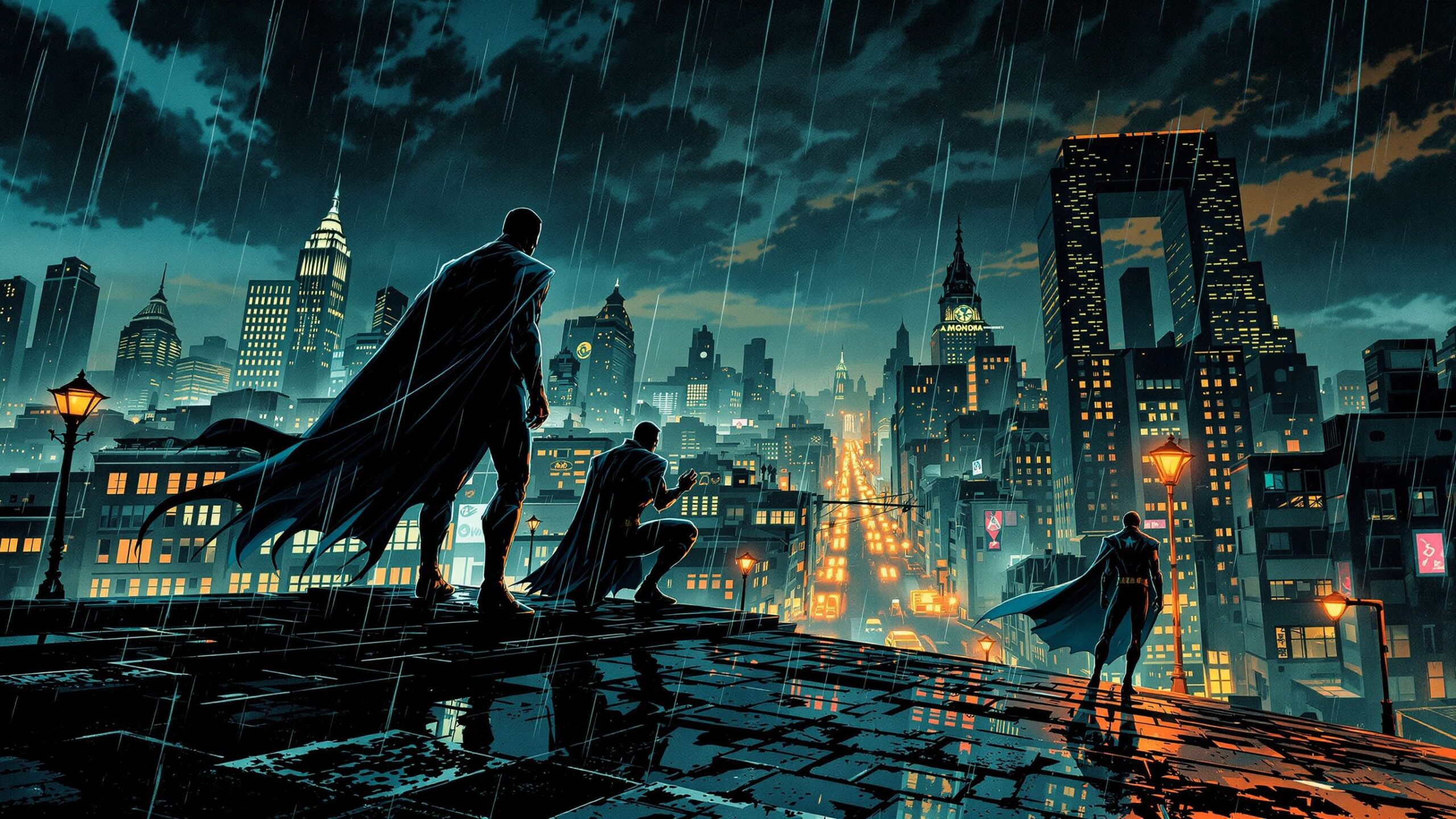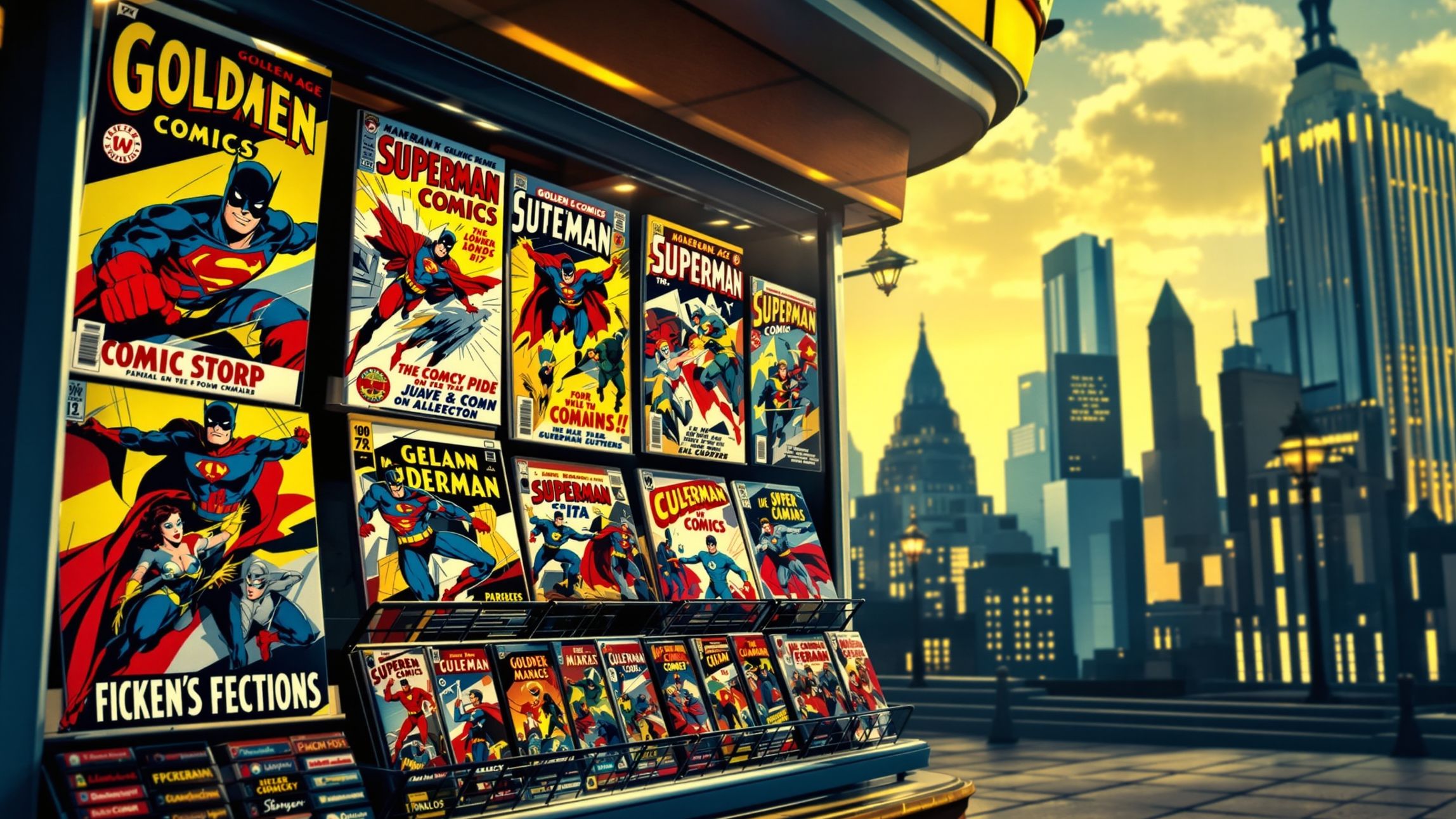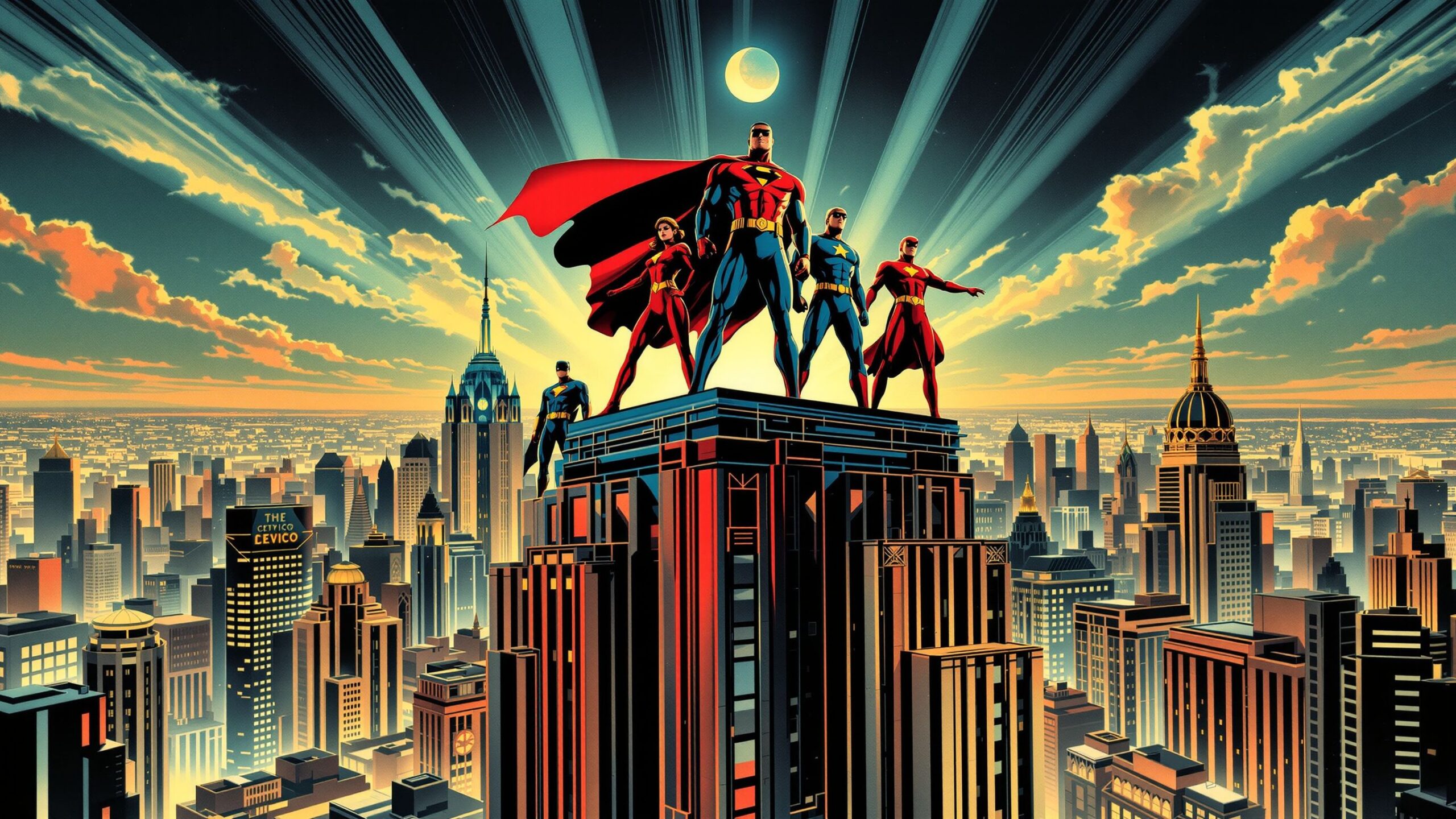
The Golden Age of Comics marks one of the most important periods in entertainment history. During the late 1930s and throughout the 1940s, a new kind of hero emerged that would forever change popular culture. Before this era, comic books featured a variety of adventure stories, detectives, humor, westerns, and science fiction tales. While these genres entertained readers, none captured the imagination quite like the arrival of the superhero. Ordinary people suddenly discovered extraordinary champions who could fly through the skies, stop criminals with incredible powers, and stand as symbols of hope during uncertain times. The Golden Age introduced characters who inspired millions and established many of the storytelling traditions still used today. These early heroes reflected the hopes, fears, and dreams of a generation living through economic hardship and global conflict. Their adventures offered excitement, optimism, and justice when many readers needed them most. More than eighty years later, the influence of the Golden Age can still be seen in comic books, blockbuster movies, television series, video games, and countless other forms of entertainment. Understanding this remarkable era helps explain how superheroes became some of the world’s most recognizable cultural icons.
A: It was the early era of comic books when superheroes became hugely popular and many famous characters first appeared.
A: Many fans and historians connect its beginning to Superman’s debut in Action Comics #1 in 1938.
A: Superman created the superhero model with powers, a costume, a symbol, heroic ideals, and a secret identity.
A: Superman, Batman, Wonder Woman, Captain America, The Flash, Green Lantern, Namor, and the Human Torch were major names.
A: They were cheap, exciting, colorful, and full of action during a time when readers wanted escape and inspiration.
A: Original key issues can be extremely expensive, but reprints and collections are much more affordable.
A: The Silver Age followed, bringing refreshed heroes, science-fiction ideas, and a new wave of superhero popularity.
A: Yes, groups like the Justice Society of America helped establish the team-up tradition.
A: It created the foundation for modern superhero comics, movies, shows, games, and fandom culture.
A: Start with reprints, collected editions, documentaries, and histories before trying to collect original issues.
What Is the Golden Age of Comics?
The Golden Age of Comics generally refers to the period beginning in the late 1930s and continuing through the early 1950s. This era saw comic books evolve from collections of humorous newspaper strips into original publications featuring action-packed adventures and unforgettable heroes.
Publishers quickly realized that readers were fascinated by larger-than-life characters who fought crime, defended innocent people, and overcame impossible challenges. As comic book sales exploded, dozens of publishers entered the industry, creating hundreds of new heroes and expanding the popularity of the medium across the world.
Although many genres remained successful, superheroes became the defining symbol of the Golden Age and forever changed the direction of comic book storytelling.
The World Before Superheroes
Before superheroes dominated comic books, readers primarily enjoyed newspaper comic strips, adventure stories, detective mysteries, westerns, jungle tales, and humorous characters. These stories featured brave protagonists, but most remained ordinary humans relying on intelligence, courage, or physical skill rather than extraordinary abilities.
Adventure fiction had already introduced masked heroes, daring explorers, and mysterious crime fighters. These early characters laid the foundation for what would soon become the superhero genre. By combining elements of mythology, science fiction, pulp fiction, and classic hero tales, comic book creators developed something entirely new that captured readers’ imaginations like never before.
Why Superheroes Arrived When They Did
The late 1930s was a period of tremendous uncertainty. Many families were still recovering from the hardships of the Great Depression, while growing international tensions created widespread anxiety about the future. Readers longed for inspiring figures who represented courage, justice, and optimism.
Superheroes offered exactly that. They fought corruption, protected innocent people, and demonstrated that good could overcome evil regardless of the odds. Their colorful costumes, incredible powers, and unwavering moral values provided hope during challenging times. Rather than simply escaping reality, these characters reminded readers that bravery and compassion could make a meaningful difference.
The Birth of the Modern Superhero
The introduction of the modern superhero transformed comic books almost overnight. These new characters combined secret identities, extraordinary abilities, memorable costumes, recognizable symbols, and strong moral principles into a formula that proved incredibly successful.
Unlike traditional adventure heroes, superheroes often balanced two identities. One represented their ordinary everyday life, while the other embodied their heroic mission. This contrast allowed readers to relate to the characters as regular individuals while admiring their extraordinary courage and selflessness.
The concept quickly spread throughout the comic book industry, inspiring countless new heroes with unique powers, personalities, and missions.
Secret Identities Changed Storytelling
One of the defining innovations of the Golden Age was the use of secret identities. Heroes concealed their true selves behind masks, costumes, or carefully maintained public personas, allowing them to protect loved ones while living relatively normal lives.
This storytelling device added emotional depth to comic books. Heroes constantly balanced personal relationships, careers, and family responsibilities alongside dangerous missions to protect society. Readers became invested not only in spectacular battles but also in the personal struggles that made these characters feel remarkably human despite their incredible abilities.
Colorful Costumes and Lasting Symbols
Golden Age creators understood the importance of visual storytelling. Bright costumes, flowing capes, distinctive emblems, and memorable color schemes made heroes instantly recognizable on crowded newsstands.
These designs served practical storytelling purposes while creating powerful symbols that readers could easily remember. Even decades later, many of the visual elements introduced during the Golden Age continue influencing superhero costume design across comics, film, and television.
The combination of striking artwork and unforgettable character designs helped establish superheroes as global cultural icons.
Heroes Reflected Society’s Greatest Values
Golden Age superheroes often represented ideals that resonated deeply with readers. Courage, honesty, responsibility, perseverance, compassion, and justice became central themes throughout countless adventures.
Rather than acting for personal gain, these heroes consistently placed others before themselves. Their willingness to make sacrifices inspired readers and reinforced the importance of helping those in need. While their powers made them extraordinary, their moral character made them truly heroic.
These timeless values continue defining the superhero genre today.
The Rise of Team Adventures
As superhero popularity grew, creators began imagining what would happen if multiple heroes worked together. Team adventures introduced larger casts of characters whose different personalities and abilities complemented one another.
These stories expanded the scale of comic book storytelling by introducing larger threats that required cooperation rather than individual heroism. Team dynamics also created opportunities for humor, friendship, rivalry, and personal growth, enriching the emotional complexity of superhero narratives.
Modern superhero teams owe much of their popularity to these early Golden Age innovations.
Wartime Influence on Comic Books
The Golden Age unfolded during a period heavily influenced by World War II. Comic books naturally reflected the concerns and emotions of the time, with many heroes defending freedom, opposing tyranny, and encouraging patriotism.
Although these stories often contained exaggerated action and colorful adventures, they also reassured readers that courage and determination could overcome even the greatest challenges. Heroes became symbols of resilience during uncertain times, helping comic books become a meaningful source of comfort and inspiration for millions.
The historical context of the era continues making Golden Age comics fascinating windows into the culture and values of their time.
Expanding Beyond Superpowers
Although superheroes defined the Golden Age, comic books also continued exploring detective stories, science fiction, western adventures, romance, horror, and humor. This diversity helped the industry grow by appealing to readers with many different interests.
Publishers constantly experimented with new genres while borrowing successful storytelling techniques from superhero comics. The result was an incredibly creative period where innovation flourished across nearly every type of comic book.
This willingness to experiment laid the foundation for the enormous variety of comics available today.
Artistic Innovation During the Golden Age
Golden Age artists developed many visual techniques that still influence comic books. Dynamic action poses, dramatic perspective, bold colors, expressive facial expressions, and exciting panel layouts helped stories feel fast-paced and cinematic.
Limited printing technology challenged artists to communicate action clearly and efficiently. Their solutions produced a distinctive visual style that remains instantly recognizable and continues inspiring modern illustrators.
These artistic innovations demonstrated that comic books could tell complex stories using the powerful combination of words and images.
Why Readers Connected With Early Heroes
Golden Age superheroes succeeded because they combined fantasy with relatable human experiences. Behind every mask was someone facing personal struggles, difficult choices, and emotional challenges that readers could understand.
Many heroes worried about protecting family members, maintaining friendships, balancing responsibilities, or making the right moral decisions. These personal conflicts made extraordinary characters feel surprisingly authentic, allowing readers to imagine themselves becoming heroes despite their own everyday problems.
This emotional connection remains one of the defining strengths of superhero storytelling.
The Golden Age’s Lasting Legacy
Although comic books have evolved tremendously since the 1940s, the Golden Age established nearly every major convention associated with superheroes. Secret identities, colorful costumes, memorable villains, epic battles, heroic teamwork, and inspiring moral lessons all originated or became standardized during this remarkable era.
Modern comics continue building upon these foundations while introducing new ideas for contemporary audiences. Blockbuster films, animated series, streaming shows, novels, and video games all trace their origins back to the innovations first developed during the Golden Age.
Few periods in entertainment history have produced such a lasting cultural impact.
How the Golden Age Changed Popular Culture
The influence of the Golden Age extends far beyond comic books. Superheroes have become worldwide symbols of courage, hope, justice, and perseverance. Their stories inspire people across generations and cultures while continuing to evolve with changing times.
Merchandise, toys, theme park attractions, television series, blockbuster films, and countless other forms of media all owe their existence to the success of the early comic book pioneers who transformed simple illustrated adventures into a global phenomenon.
The Golden Age demonstrated that comic books could become one of the most influential storytelling mediums ever created.
Conclusion
The Golden Age of Comics was far more than the beginning of superhero adventures—it was the birth of an entirely new form of modern mythology. During this extraordinary period, creators introduced unforgettable heroes who inspired readers with their courage, compassion, and unwavering commitment to justice. Their colorful adventures offered hope during difficult times while laying the creative foundation for decades of storytelling innovation.
Today, the legacy of the Golden Age continues to thrive in every corner of popular culture. From comic books and animated series to blockbuster movies and video games, the superheroes born during this remarkable era remain powerful symbols of optimism and resilience. Their stories remind us that true heroism is not defined by extraordinary powers alone but by the courage to stand up for others, make difficult choices, and never stop believing that good can overcome even the greatest challenges.