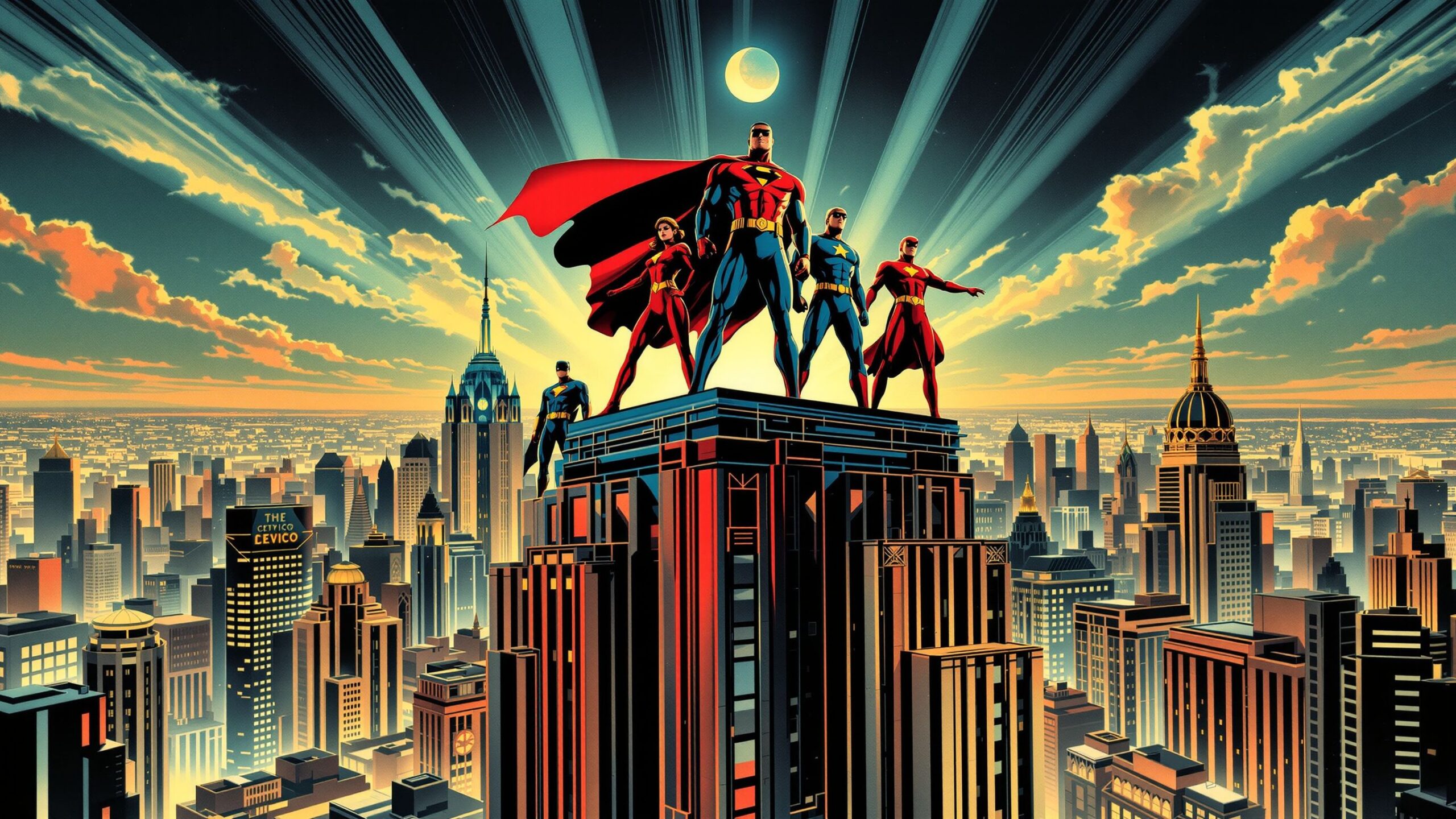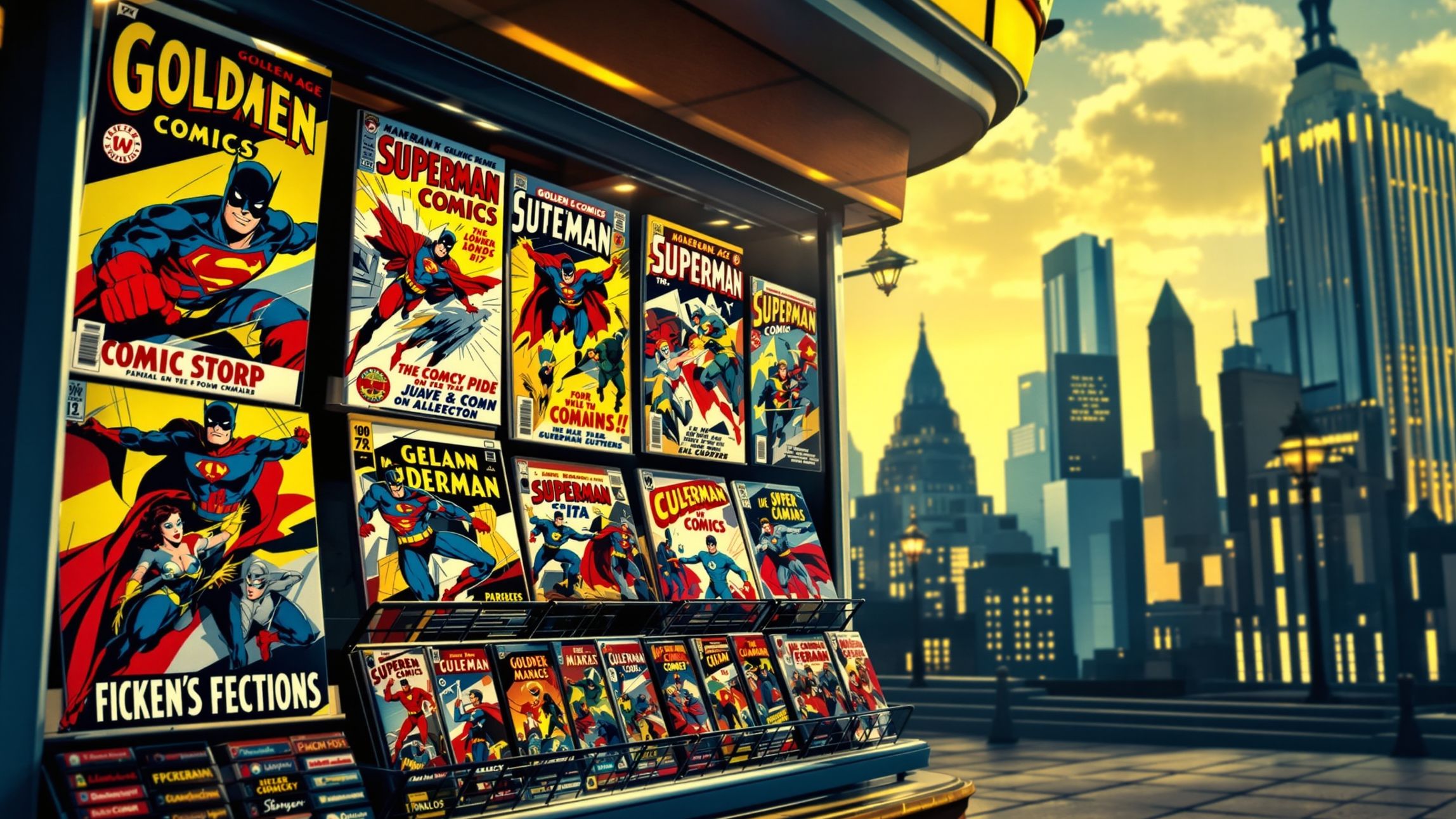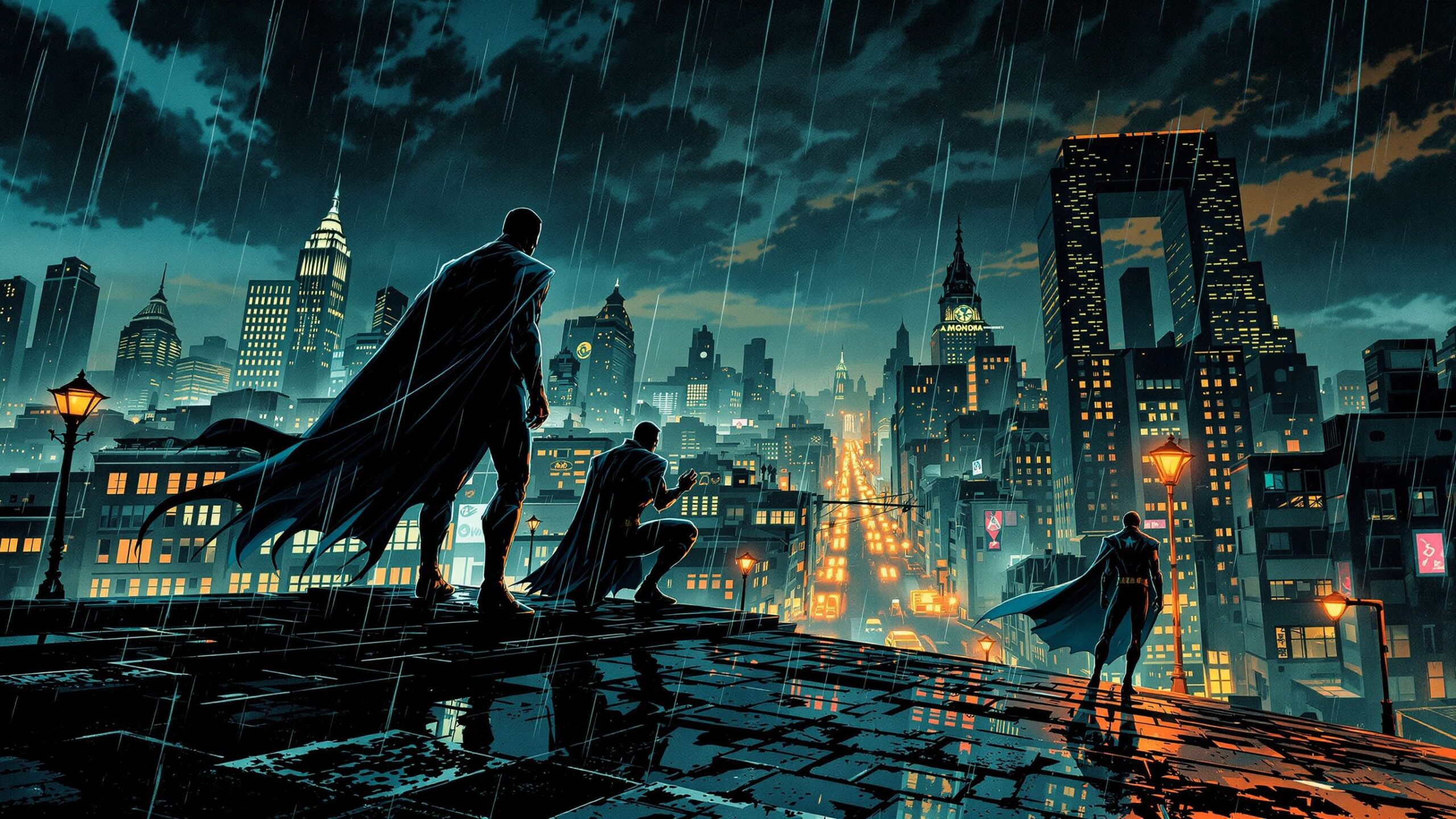
The Bronze Age of Comics marked one of the most transformative periods in comic book history. Following the optimism and colorful adventures of the Golden and Silver Ages, comic books began exploring more mature themes, morally complex characters, and real-world social issues. Superheroes were no longer portrayed as flawless champions who always had simple answers. Instead, they faced difficult choices, personal struggles, and emotional conflicts that reflected the changing world around them. This evolution created richer storytelling that appealed not only to younger readers but also to teenagers and adults looking for greater depth in their favorite characters. During the Bronze Age, creators expanded the boundaries of comic book storytelling by introducing darker villains, more realistic settings, and stories inspired by contemporary events. Heroes confronted crime, corruption, addiction, prejudice, political uncertainty, and personal loss with a level of realism rarely seen before. These groundbreaking changes permanently reshaped the comic book industry and laid the foundation for many of the sophisticated superhero stories that continue to captivate readers today. The Bronze Age proved that comic books could entertain while also exploring meaningful themes that resonated with audiences across generations.
A: It was a period when comics became more mature by exploring realistic themes and morally complex characters.
A: Most historians place it roughly from the early 1970s through the mid-1980s.
A: The name separates it from the Golden and Silver Ages while recognizing its unique style and storytelling.
A: Writers introduced real-world problems, tragic consequences, and emotionally complex heroes.
A: Wolverine, Ghost Rider, The Punisher, Moon Knight, and many horror heroes rose to prominence.
A: No. Horror, fantasy, martial arts, science fiction, and supernatural stories also flourished.
A: They feature many important first appearances and key stories while remaining more affordable than older comics.
A: It introduced deeper characters, serialized storytelling, and darker themes that continue today.
A: Yes. Many landmark stories remain easy to read and highly influential.
A: It proved superhero comics could tell emotionally powerful stories alongside action and adventure.
What Is the Bronze Age of Comics?
The Bronze Age of Comics generally refers to the period from the early 1970s through the mid-1980s. It served as a bridge between the colorful optimism of the Silver Age and the darker, more mature storytelling that would later define the Modern Age of Comics.
Rather than focusing exclusively on spectacular battles and fantastic adventures, creators began placing greater emphasis on character development, emotional realism, and contemporary issues. Heroes still fought colorful villains and saved innocent lives, but their victories often came with difficult consequences that made their journeys feel more authentic.
This era represented a significant shift in both storytelling style and audience expectations, helping comics mature as a creative medium.
Why Comic Books Began Changing
By the early 1970s, society itself had changed dramatically. Readers were experiencing political uncertainty, economic challenges, cultural shifts, and increasing awareness of complex social issues. Many creators believed comic books should evolve alongside their audience instead of remaining simple escapist entertainment.
Writers began introducing stories that reflected real concerns facing everyday people. Rather than ignoring difficult topics, they explored them through the lens of superhero fiction, allowing readers to consider important issues while still enjoying exciting adventures.
This willingness to embrace realism helped comics connect with older audiences while adding new emotional depth to familiar characters.
Heroes Became More Human
One of the defining characteristics of the Bronze Age was the transformation of superheroes into more relatable individuals. Instead of appearing nearly perfect, heroes struggled with fear, doubt, grief, guilt, and personal responsibility.
Many found it difficult to balance their heroic duties with careers, relationships, and family obligations. They questioned their own decisions, made mistakes, and sometimes failed despite their best efforts. These imperfections made them feel more realistic and emotionally engaging.
Readers appreciated seeing powerful heroes wrestle with problems similar to their own, proving that courage often means continuing forward despite uncertainty.
Villains Grew More Complex
Bronze Age villains also became significantly more sophisticated. Rather than serving as one-dimensional obstacles, many antagonists possessed understandable motivations, tragic histories, or morally complicated goals.
Some villains genuinely believed they were helping society, while others were driven by personal trauma or desperation rather than simple greed or revenge. These nuanced portrayals blurred the traditional line between good and evil, encouraging readers to consider multiple perspectives before judging a character’s actions.
This complexity made conflicts feel more emotionally powerful and intellectually engaging.
Stories Explored Real-World Issues
Perhaps the most revolutionary aspect of the Bronze Age was its willingness to address real social issues. Comic books began exploring topics such as poverty, discrimination, environmental concerns, addiction, corruption, crime, and mental health with greater honesty than ever before.
Rather than offering simple solutions, many stories acknowledged that real problems are often complicated. Heroes could inspire hope and help individuals, but they could not always solve every challenge through physical strength alone.
These thoughtful narratives demonstrated that comic books could be both entertaining and socially relevant.
Moral Gray Areas Replaced Simple Answers
Earlier comic book eras often presented clear distinctions between heroes and villains. During the Bronze Age, however, many stories explored moral ambiguity. Heroes faced situations where every available choice carried serious consequences, forcing them to make difficult decisions without knowing whether they had chosen correctly.
This moral complexity reflected the realities of everyday life, where right and wrong are not always obvious. Readers enjoyed these stories because they encouraged thoughtful discussion rather than providing easy answers.
The emphasis on ethical dilemmas helped elevate comic books into more sophisticated forms of storytelling.
The Rise of Street-Level Heroes
While cosmic adventures remained popular, the Bronze Age also introduced greater emphasis on heroes protecting ordinary neighborhoods and everyday citizens. Stories focused on urban crime, corruption, and community challenges rather than exclusively featuring world-ending threats.
Street-level adventures felt more personal because readers could easily imagine these situations happening within their own cities. The smaller scale allowed writers to develop stronger emotional connections between heroes and the communities they served.
This approach demonstrated that saving one neighborhood could be just as meaningful as saving the entire world.
Darker Visual Styles Emerged
The artistic style of the Bronze Age evolved alongside its storytelling. Artists embraced heavier shadows, more detailed environments, realistic anatomy, and dramatic lighting that reflected the increasingly serious tone of the stories.
Cities became grittier, villains appeared more intimidating, and emotional moments received greater visual emphasis through expressive facial expressions and cinematic compositions. The artwork helped reinforce the atmosphere of uncertainty, danger, and emotional depth that defined the era.
These visual innovations continue influencing modern comic book artists today.
Relationships Became More Important
Bronze Age comics devoted far greater attention to relationships between characters. Friendships, romances, family bonds, mentorships, and rivalries all received meaningful development that extended beyond individual adventures.
Heroes experienced heartbreak, disagreements, reconciliation, and personal growth as their relationships evolved over time. These emotional storylines gave readers additional reasons to care about the characters beyond their superhero identities.
The focus on interpersonal connections helped transform comic books into richer character-driven narratives.
Consequences Began to Matter
Unlike earlier eras where stories often reset after each adventure, the Bronze Age introduced lasting consequences. Major events permanently affected characters, changing their personalities, relationships, and future decisions.
Heroes remembered their failures, mourned lost friends, and carried emotional scars from previous battles. These ongoing developments rewarded longtime readers while making the fictional universe feel more believable and interconnected.
The growing sense of continuity encouraged readers to follow characters across multiple storylines.
Expanding Genres Within Superhero Comics
Although superheroes remained the central focus, Bronze Age creators blended elements of mystery, horror, crime fiction, political thrillers, fantasy, and science fiction into their stories. This genre mixing produced more varied adventures that appealed to broader audiences.
One month a hero might investigate organized crime, while the next could involve supernatural mysteries or psychological suspense. This diversity kept stories fresh while demonstrating the flexibility of the superhero genre.
The willingness to experiment became one of the Bronze Age’s greatest strengths.
Antiheroes Became More Popular
The Bronze Age also introduced greater interest in antiheroes—characters who fought for justice but often operated outside traditional heroic ideals. These individuals sometimes used harsher methods, questioned authority, or struggled with their own inner darkness.
Unlike classic superheroes, antiheroes were not always comfortable serving as public symbols of hope. Their internal conflicts created fascinating character studies that appealed to readers seeking more mature storytelling.
This trend would continue growing throughout later eras of comic book history.
Readers Grew Up Alongside Comics
Many fans who had enjoyed comics during childhood continued reading into adulthood. Publishers recognized this changing audience and began producing stories with greater emotional and intellectual depth.
Instead of simplifying every conflict, writers trusted readers to appreciate complex themes, layered characters, and ambiguous endings. This evolution allowed comic books to mature alongside the generations who loved them.
The result was a richer storytelling experience that expanded the medium’s creative potential.
The Bronze Age’s Lasting Legacy
The influence of the Bronze Age continues shaping modern comics. Today’s superhero stories regularly explore moral ambiguity, emotional trauma, political issues, family relationships, and personal responsibility in ways pioneered during this era.
Many storytelling techniques now considered standard—including long-term character development, darker themes, realistic dialogue, and meaningful consequences—became widespread because of the creative innovations introduced during the Bronze Age.
Its legacy extends beyond comics into films, television series, novels, and video games that embrace similarly mature approaches to superhero storytelling.
Why the Bronze Age Still Matters
The Bronze Age demonstrated that superheroes could evolve without losing the qualities that made them inspiring. By embracing realism while preserving hope, creators proved that comic books could tell emotionally powerful stories capable of appealing to readers of every age.
Rather than replacing traditional heroism, the era expanded its definition. Heroes remained courageous and compassionate, but they also became vulnerable, imperfect, and deeply human. This balance continues defining many of the most beloved superhero stories today.
The Bronze Age remains one of the most influential periods in comic book history because it showed that even extraordinary heroes become more inspiring when they confront challenges that feel real.
Conclusion
The Bronze Age of Comics forever transformed superhero storytelling by introducing darker themes, richer character development, and meaningful explorations of real-world issues. Moving beyond the straightforward adventures of earlier eras, creators embraced emotional complexity, moral uncertainty, and lasting consequences that made comic book worlds feel more authentic than ever before.
Today, the influence of the Bronze Age can be found throughout modern entertainment. Comic books, blockbuster films, television series, and video games continue drawing inspiration from the groundbreaking ideas first introduced during this remarkable period. By proving that superheroes could face realistic struggles while remaining symbols of hope, the Bronze Age helped elevate comics into one of the world’s most respected and enduring storytelling mediums.