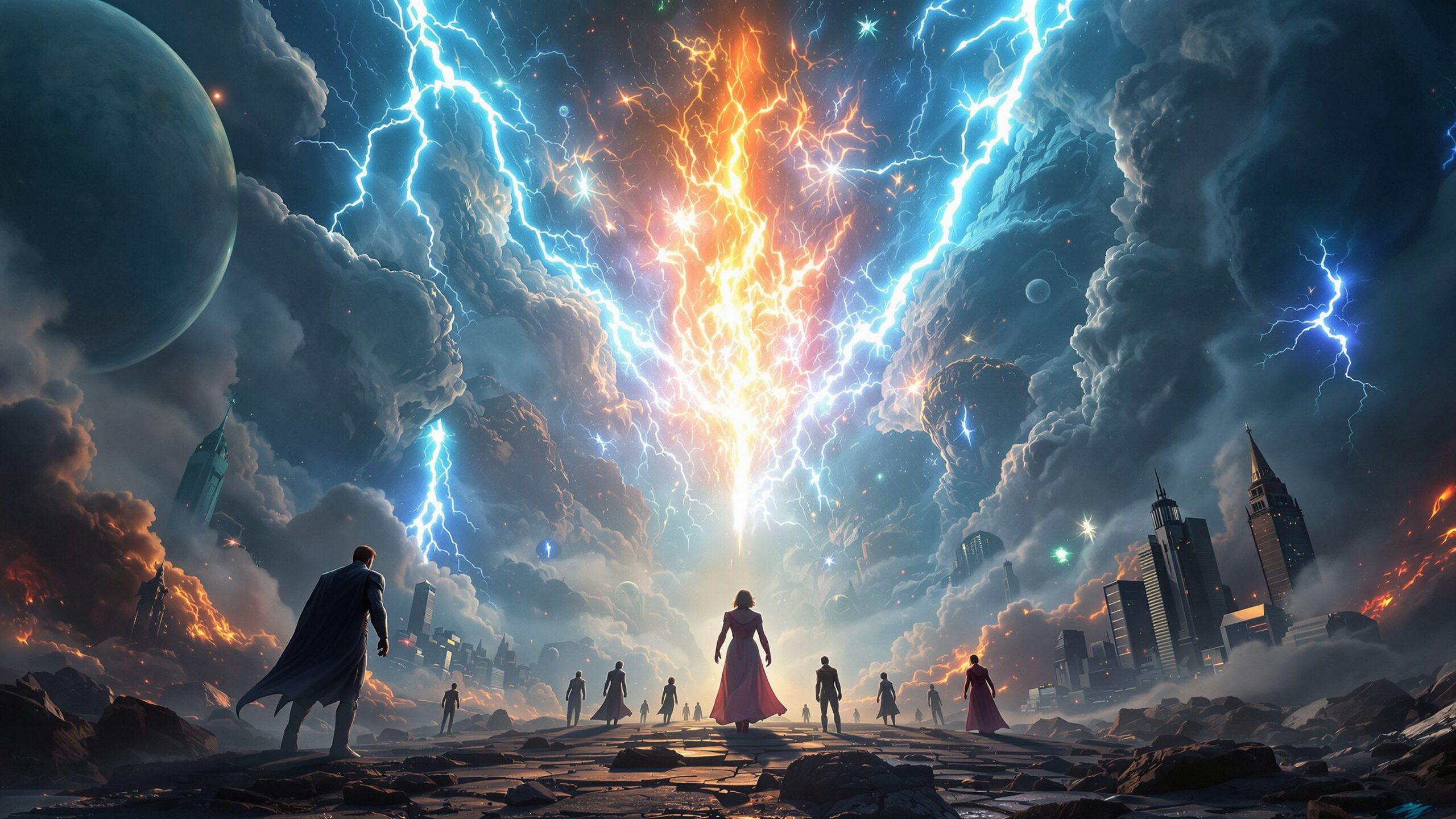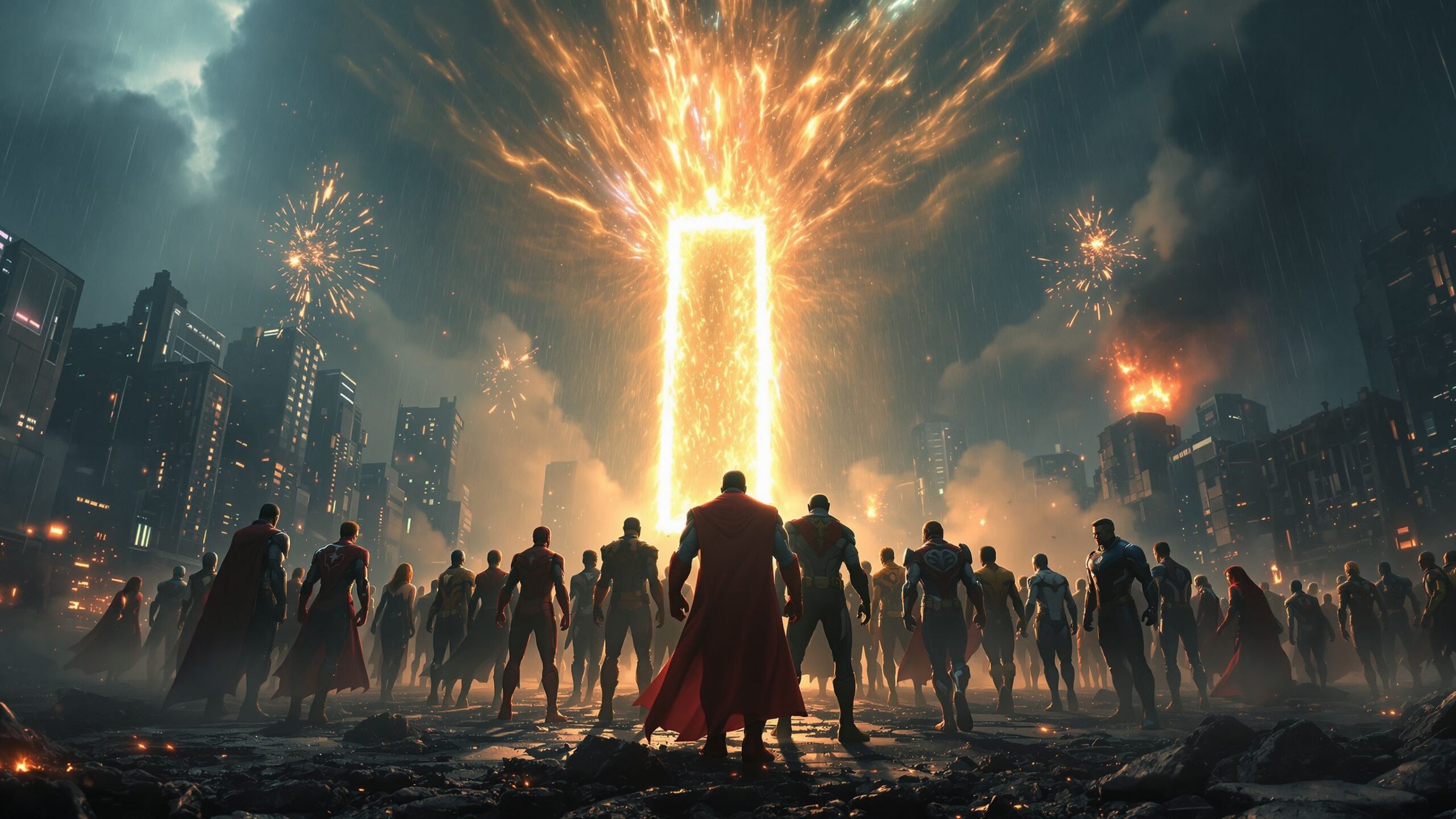
Comic books have always thrived on imagination, but nothing captures that spirit quite like a crossover event. These are the moments when separate stories, characters, and even entire universes collide, creating something larger, bolder, and more unforgettable than anything that came before. Crossovers are not just about spectacle—they are about possibility. They ask the question: what happens when heroes who were never meant to meet suddenly share the same stage? Over the decades, crossover events have become some of the most defining milestones in comic book history. They have introduced shocking twists, redefined beloved characters, and reshaped entire fictional universes. For readers, they offer a sense of scale and excitement that is unmatched, delivering stories that feel truly epic in every sense of the word.
A: A storyline where characters or teams from different series interact in a shared event.
A: Many are essential because they impact major storylines and character arcs.
A: Not always; the main event usually tells the core story.
A: They bring together fan-favorite characters and create large-scale conflicts.
A: Some are, but it helps to know basic character backgrounds.
A: A story involving multiple alternate universes or timelines.
A: Yes, many introduce lasting changes to characters and timelines.
A: No, crossovers can happen in many genres, though superheroes dominate.
A: They can span weeks, months, or even years depending on scope.
A: Strong storytelling, balanced characters, and meaningful stakes beyond spectacle.
The Birth of the Crossover Event
While characters occasionally met in earlier comics, the true crossover event began to take shape in the late twentieth century. Publishers realized that bringing multiple heroes together in a single storyline could create a sense of urgency and importance that standalone stories could not match. These events often spanned multiple issues and titles, encouraging readers to follow a narrative across different series.
One of the earliest and most influential examples is Secret Wars, which brought together a massive roster of heroes and villains in a cosmic battle orchestrated by an all-powerful being. This storyline set the template for future crossovers, combining large-scale conflict with character-driven moments that resonated with readers.
Crisis and Reinvention
Few crossover events have had as profound an impact as Crisis on Infinite Earths. This groundbreaking story redefined the concept of a shared universe, merging multiple parallel worlds into a single continuity. It was a bold and ambitious move, one that streamlined decades of storytelling while delivering emotional stakes that left a lasting impression on fans.
What made this crossover so powerful was its willingness to take risks. Major characters faced real consequences, and the outcome reshaped the entire DC universe. It demonstrated that crossovers could be more than just spectacle—they could be transformative events that pushed the medium forward.
Heroes vs. Heroes
Not all crossovers are about uniting forces against a common enemy. Some of the most compelling stories arise when heroes find themselves on opposite sides of a conflict. Civil War is a perfect example, exploring the ideological divide between heroes over issues of freedom and responsibility.
This storyline resonated because it grounded its conflict in real-world themes, forcing characters to confront difficult choices. The result was a deeply personal and emotionally charged narrative that challenged readers to consider their own perspectives. By turning allies into adversaries, crossovers like this add layers of complexity that elevate the storytelling.
Multiversal Madness
The concept of the multiverse has become a cornerstone of modern comic storytelling, and crossovers have played a key role in exploring its possibilities. Stories like Spider-Verse bring together multiple versions of the same character from different realities, creating a rich tapestry of interconnected narratives.
These crossovers celebrate the diversity of interpretations within a single franchise, showcasing how one character can be reimagined in countless ways. They also allow for creative experimentation, blending different art styles and storytelling approaches into a cohesive whole.
Dark Times and High Stakes
Some crossover events stand out for their darker tone and high stakes, pushing characters to their limits and beyond. Infinity Gauntlet is one such example, featuring a villain whose power threatens the very fabric of existence. The scale of the conflict is immense, but it is the personal sacrifices and emotional moments that give the story its weight.
These darker crossovers often explore themes of loss, resilience, and redemption, reminding readers that even the most powerful heroes are not invincible. By raising the stakes, they create a sense of urgency that keeps readers invested from beginning to end.
Crossovers Beyond Boundaries
One of the most exciting aspects of comic book crossovers is their ability to transcend traditional boundaries. Occasionally, characters from different publishers or franchises come together, creating once-in-a-lifetime events that feel truly special. These collaborations highlight the shared appeal of iconic characters, bringing together fanbases and creating moments of pure excitement.
While these crossovers are rare, they demonstrate the limitless potential of the medium. They remind readers that, in the world of comics, anything is possible, and the only real limit is imagination.
The Impact on the Industry
Crossover events have had a profound impact on the comic book industry, shaping how stories are told and marketed. They often serve as major milestones, drawing in new readers while rewarding longtime fans with epic narratives. These events can redefine characters, introduce new directions for ongoing series, and even influence adaptations in film and television.
From a business perspective, crossovers are powerful tools for engagement, encouraging readers to explore multiple titles and immerse themselves in a shared universe. This interconnected approach has become a defining feature of modern comics, influencing everything from publishing strategies to storytelling techniques.
Why Fans Love Crossovers
The appeal of crossover events lies in their ability to deliver something extraordinary. They bring together beloved characters, create unexpected interactions, and offer stories that feel larger than life. For fans, these events are an opportunity to see their favorite heroes in new and exciting contexts, facing challenges that test their limits.
Crossovers also create a sense of community, as readers come together to discuss theories, reactions, and favorite moments. This shared experience enhances the enjoyment, turning each event into a cultural moment that extends beyond the صفحات of the comics themselves.
The Future of Comic Crossovers
As the comic book industry continues to evolve, crossover events are likely to remain a central part of its storytelling landscape. Advances in technology and the growing influence of digital platforms may open up new possibilities, allowing for even more ambitious and interactive narratives.
The success of crossover storytelling in other media, such as film and television, suggests that this format will continue to resonate with audiences. Whether on the page or on the screen, the idea of bringing characters together in epic ways is one that will always capture the imagination.
The most epic comic book crossovers represent the pinnacle of what the medium can achieve. They combine scale, emotion, and creativity to deliver stories that leave a lasting impact on readers and the industry as a whole. From universe-shaping events to deeply personal conflicts, these crossovers showcase the power of storytelling at its most ambitious.
As new stories continue to be created, the legacy of these epic crossovers will inspire future generations of creators and fans alike. They are a testament to the enduring appeal of comics and the limitless possibilities that come from bringing worlds together.