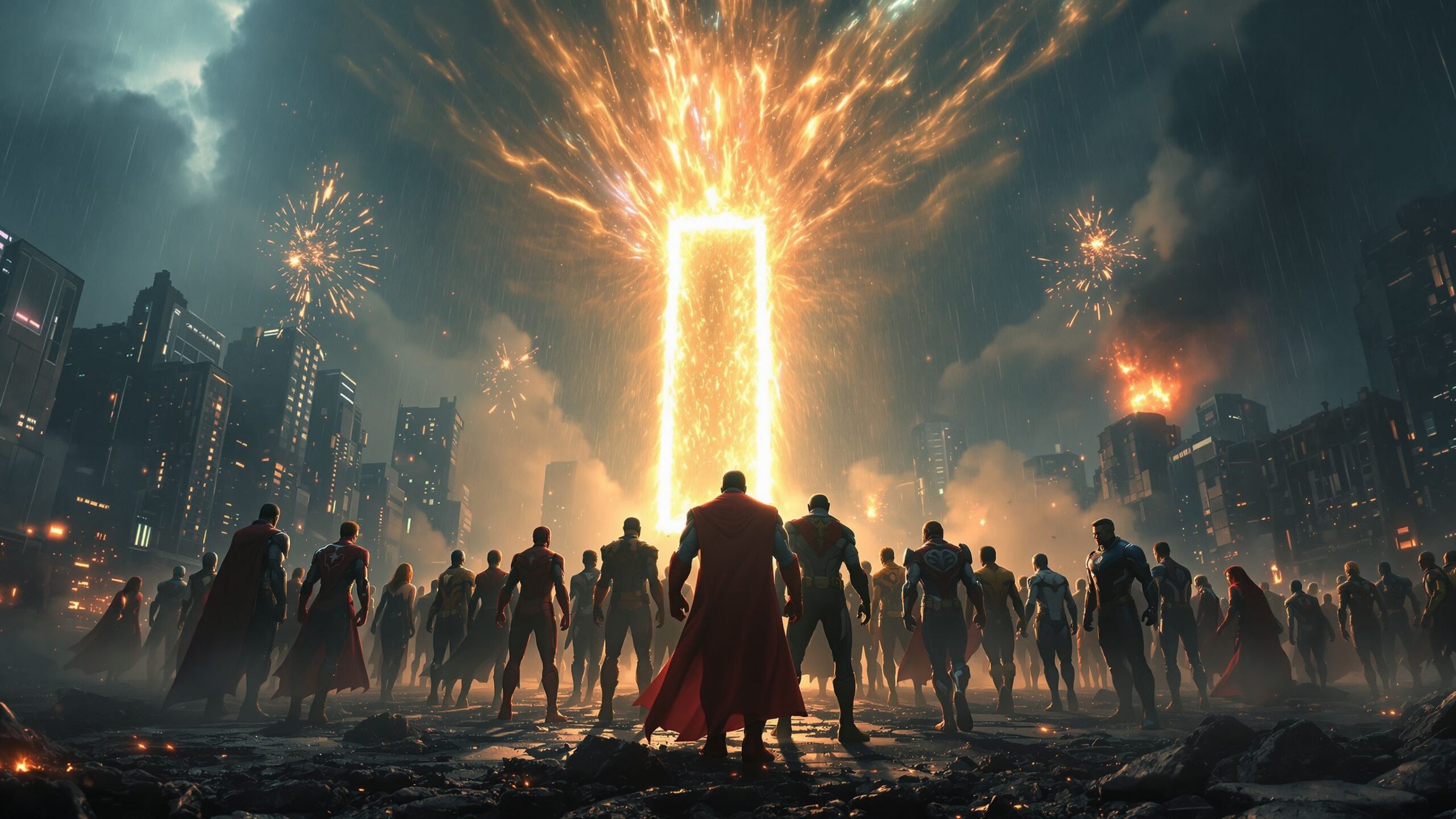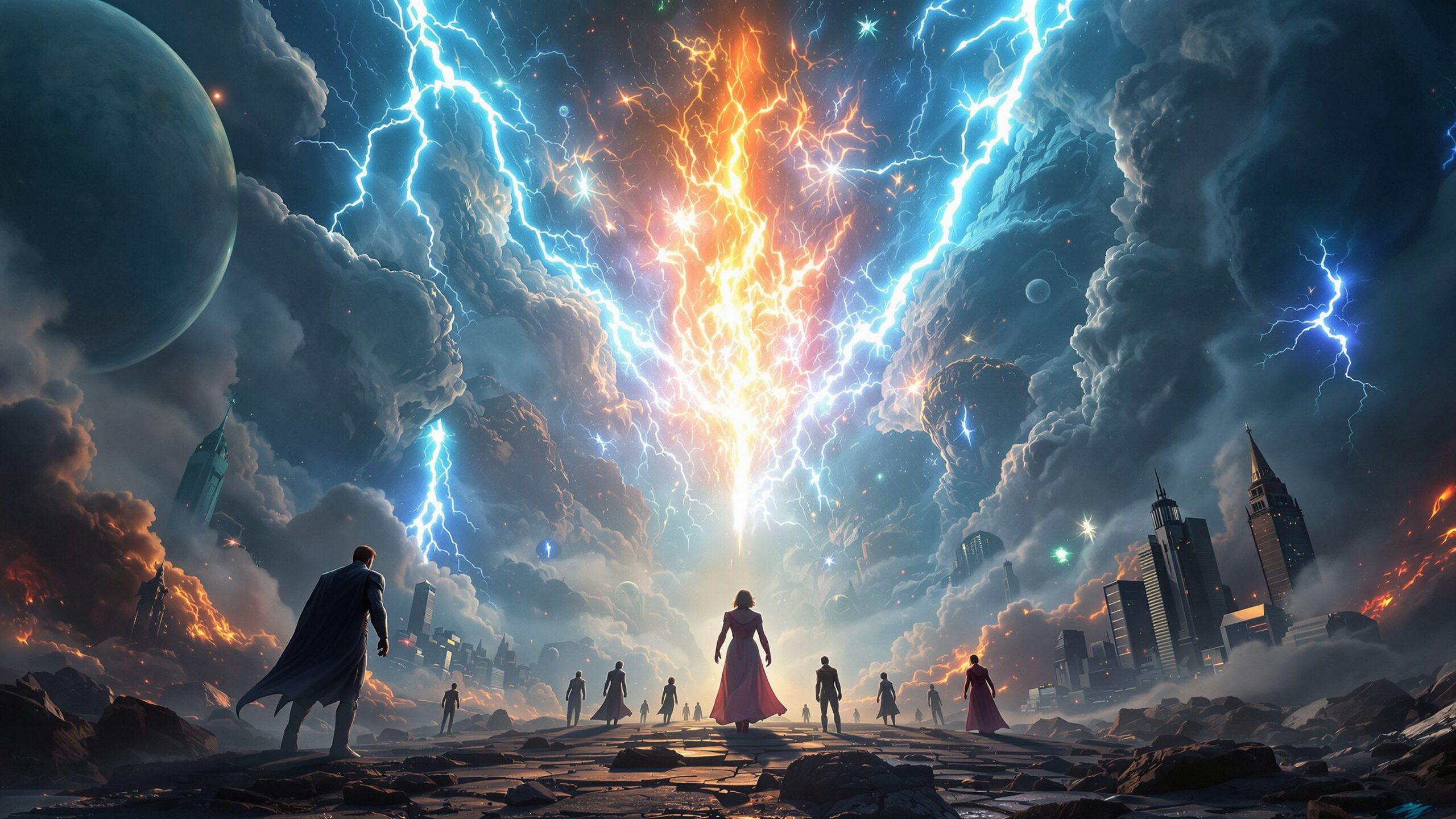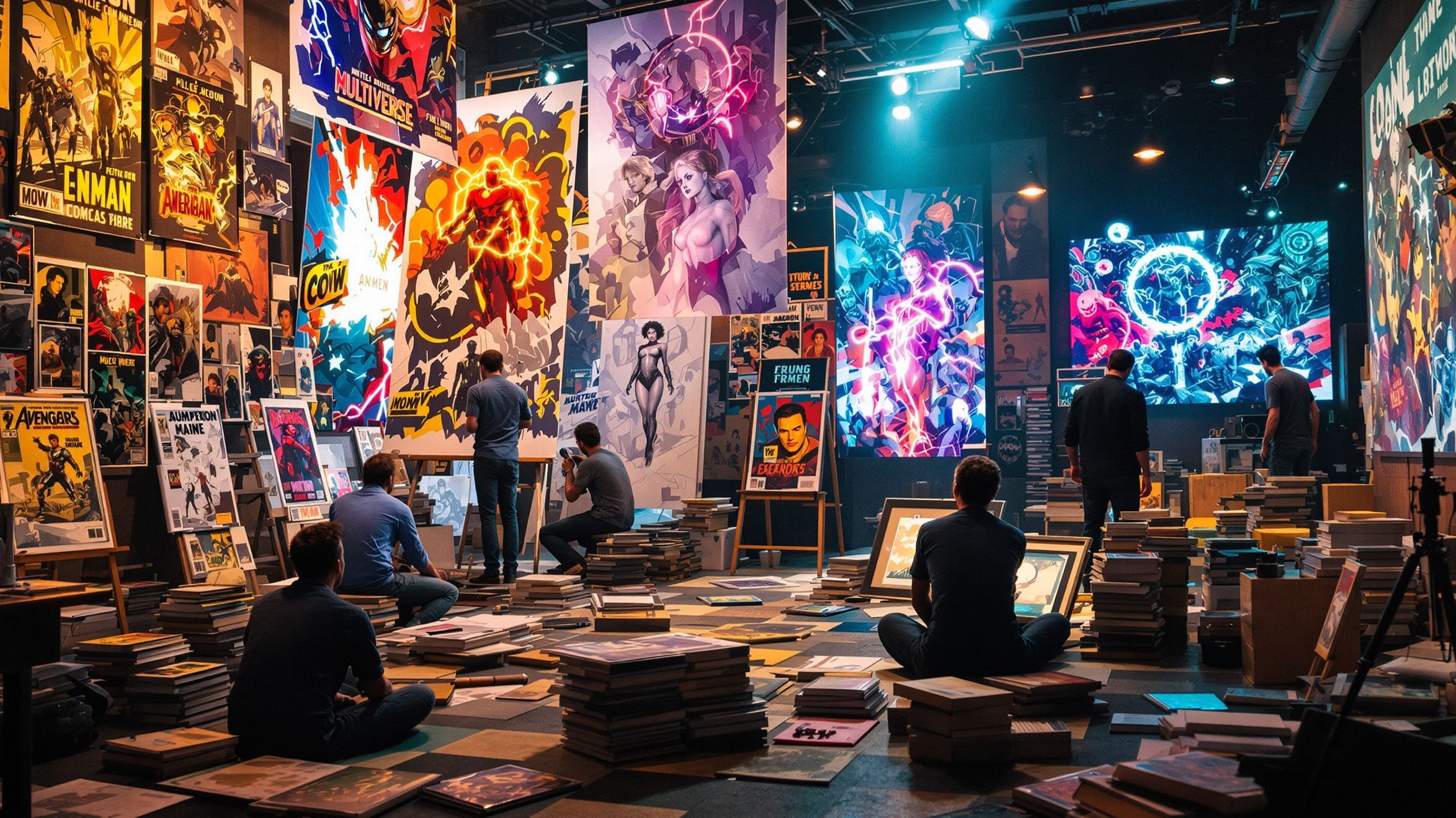
There was a time when comic book stories lived in isolation. Heroes existed within their own narratives, rarely interacting with characters outside their immediate worlds. While occasional team-ups occurred, they were often treated as special one-off events rather than essential parts of a larger storytelling framework. That changed dramatically with the rise of crossover events, which redefined the very structure of comic book storytelling. Crossovers introduced the idea that every story could be part of something bigger. Instead of isolated adventures, readers were invited into interconnected universes where actions in one series could ripple across others. This shift transformed comics from a collection of individual stories into a cohesive, evolving tapestry, creating a sense of scale and continuity that continues to define the medium today.
A: They turned separate titles into connected events that boosted sales, fan excitement, and shared-universe storytelling.
A: They create hype, spotlight characters, reshape continuity, and encourage readers to explore more titles.
A: Some are exciting entry points, but complicated reading orders can make them challenging.
A: Tie-ins are related comics that show how the main event affects other characters or series.
A: Yes, the connected-universe model in comics helped inspire modern franchise storytelling.
A: Too many events can interrupt regular stories and make collecting expensive or confusing.
A: Strong stakes, clear storytelling, meaningful consequences, and memorable character moments.
A: Not always, but major events often alter timelines, character relationships, or universe status.
A: They often feature major battles, first appearances, team-ups, or limited variant art.
A: Yes, they remain one of the biggest ways publishers create buzz and shape comic history.
The Birth of Shared Universes
The concept of a shared universe became the foundation upon which crossovers were built. Early team-ups hinted at the potential of interconnected storytelling, but it was large-scale crossover events that truly solidified the idea. Stories like Secret Wars demonstrated how multiple heroes could come together in a single narrative, while still maintaining their individual identities.
This approach allowed publishers to expand their worlds organically. Characters could move between titles, relationships could evolve across series, and events could have far-reaching consequences. The shared universe became more than a backdrop—it became a living, breathing entity that readers could explore from multiple angles.
Turning Stories Into Events
One of the most significant changes brought about by crossovers was the transformation of comics into event-driven storytelling. Instead of standalone issues, publishers began creating large, multi-part narratives that spanned multiple titles and months of publication.
A defining example is Crisis on Infinite Earths, which not only brought together countless characters but also reshaped an entire fictional universe. These events created a sense of urgency and importance, encouraging readers to follow the story across different series to experience the full narrative.
This shift had a profound impact on how comics were consumed. Reading became more immersive, as fans followed interconnected plots and pieced together the larger story. It also fostered a sense of anticipation, with each new installment building toward a climactic conclusion.
Redefining Characters and Stakes
Crossovers gave creators the opportunity to push characters beyond their usual limits. By placing heroes in unfamiliar situations or pitting them against each other, these events introduced new layers of complexity and conflict.
Stories like Civil War exemplify this shift. Instead of uniting against a common enemy, heroes found themselves divided by ideology, forcing them to confront difficult choices. These narratives added depth to characters, making them more relatable and human.
The stakes in crossover events also became significantly higher. Entire cities, worlds, or even universes could be at risk, creating a sense of scale that elevated the storytelling. Readers were no longer just following a hero’s journey—they were witnessing events that could change everything.
Expanding the Audience
Crossovers played a crucial role in expanding the audience for comic books. By bringing together multiple characters and storylines, these events attracted readers from different fanbases. A fan of one hero might pick up a crossover issue to see how their favorite character interacts with others, discovering new series along the way.
This cross-pollination of audiences helped publishers grow their readership and introduce new fans to the medium. It also created entry points for newcomers, who could jump into a major event and explore the wider universe from there.
A New Business Model
The success of crossover events also reshaped the business side of the comic industry. These stories became major sales drivers, often accompanied by tie-in issues, special editions, and promotional campaigns.
Crossovers encouraged readers to purchase multiple titles to follow the full story, increasing overall sales and engagement. They also created opportunities for merchandising, adaptations, and spin-offs, extending the reach of the original narrative.
While this model proved highly successful, it also introduced challenges. Some readers felt overwhelmed by the number of issues required to keep up with an event, leading to discussions about accessibility and balance within the industry.
Inspiring Other Media
The influence of comic book crossovers extends far beyond the pages of comics themselves. The concept of interconnected storytelling has become a cornerstone of modern entertainment, particularly in film and television.
The success of cinematic universes, where characters and storylines intersect across multiple movies, can be traced directly back to comic book crossovers. These adaptations have brought the concept to a global audience, demonstrating its appeal on a massive scale.
By pioneering this approach, comics have shaped the way stories are told across mediums, proving that interconnected narratives can captivate audiences in powerful ways.
The Evolution of Storytelling Techniques
Crossovers have also driven innovation in storytelling techniques. Writers and artists have had to find new ways to balance multiple characters, plotlines, and perspectives within a single narrative. This has led to more complex and layered storytelling, with interwoven arcs and character dynamics.
The challenge of coordinating large-scale events has pushed creators to experiment with structure, pacing, and narrative design. The result is a richer and more dynamic storytelling experience that continues to evolve.
Challenges and Criticism
Despite their many benefits, crossovers are not without criticism. Some readers feel that the constant focus on large events can overshadow smaller, character-driven stories. Others find the interconnected nature of these narratives difficult to follow, particularly when multiple titles are involved.
There is also the risk of event fatigue, where the frequency of crossovers diminishes their impact. Maintaining a balance between epic events and standalone stories remains an ongoing challenge for the industry.
The Lasting Legacy of Crossovers
The impact of comic book crossovers on the industry is undeniable. They have transformed how stories are told, how characters are developed, and how audiences engage with the medium. By connecting individual narratives into larger universes, crossovers have created a sense of scale and continuity that continues to define comics today.
Their influence extends beyond comics, shaping the broader entertainment landscape and inspiring new forms of storytelling. As the industry continues to evolve, crossovers remain a powerful tool for innovation, offering endless possibilities for creators and fans alike.
Comic book crossovers changed the industry forever by turning isolated stories into interconnected worlds filled with endless possibilities. They redefined storytelling, expanded audiences, and introduced a new level of scale and ambition that continues to shape the medium. As comics move forward, the legacy of crossovers will remain at the heart of their evolution, reminding us that the most powerful stories are often the ones that bring worlds together.