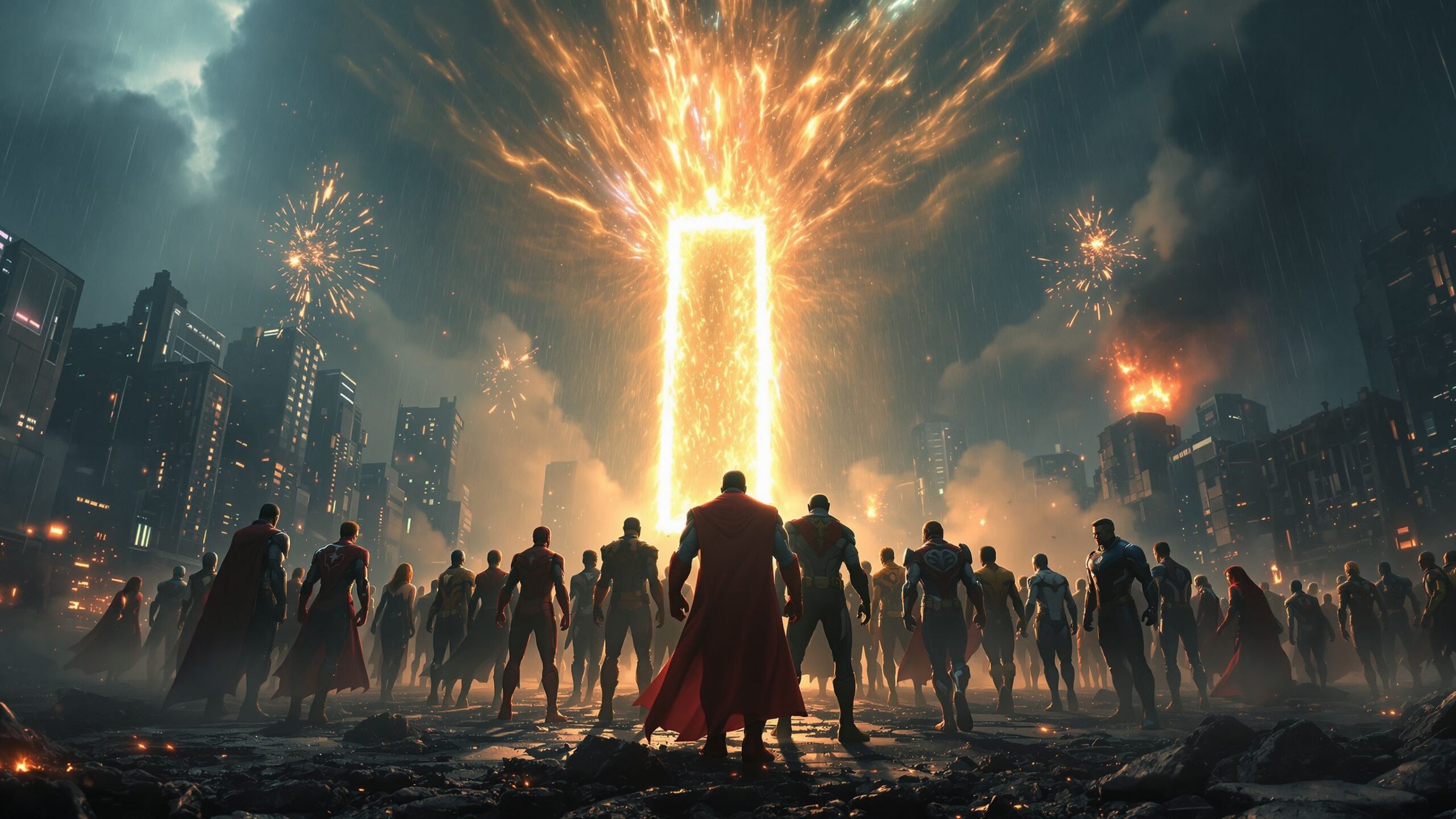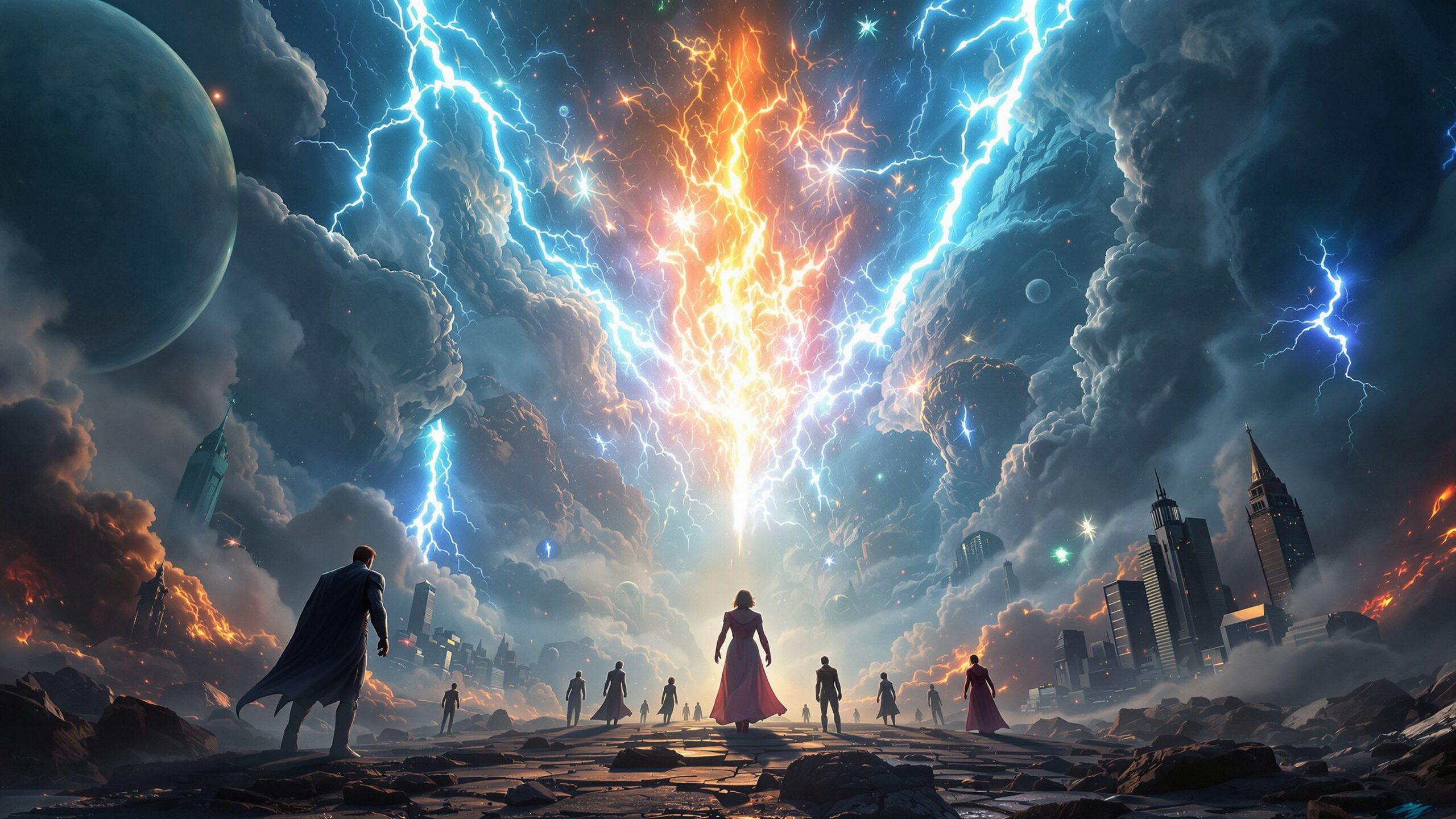
The concept of the multiverse has become one of the most powerful storytelling tools in comic book history. It allows writers to explore alternate realities, reimagine iconic characters, and create stakes that go far beyond a single world. In multiverse events, the boundaries between dimensions collapse, timelines intersect, and the fate of existence itself hangs in the balance. These stories are not just about scale—they are about possibility. They give creators the freedom to ask “what if” on a cosmic level, blending familiar characters with unexpected variations. The result is a form of storytelling that feels limitless, where anything can happen and no outcome is guaranteed.
A: It is a major storyline involving multiple universes, timelines, or alternate versions of characters.
A: They combine huge stakes, fan-favorite variants, and reality-changing consequences.
A: Not always, but knowing the main heroes helps make the story easier to follow.
A: Some are complex, but event summaries and main issues make them easier to start.
A: “Crisis on Infinite Earths” is one of DC’s most famous and influential multiverse events.
A: “Secret Wars” is one of Marvel’s most important multiverse-scale stories.
A: Tie-ins are related comics that show side stories connected to the main event.
A: Yes, many events reshape timelines, reboot continuity, or introduce lasting changes.
A: They allow bold experiments, alternate versions, continuity fixes, and massive crossover moments.
A: Clear stakes, strong character moments, exciting variants, and meaningful consequences.
Crisis on Infinite Earths: The Event That Changed Everything
One of the most influential multiverse events ever created is Crisis on Infinite Earths. This groundbreaking story brought together countless parallel Earths, each with its own versions of heroes and histories, and then did something unprecedented—it destroyed them.
The event was both a spectacle and a reinvention. Entire worlds vanished, iconic characters made heroic sacrifices, and the multiverse itself was reshaped into a single unified timeline. This story set the standard for future multiverse events, proving that comics could deliver narratives on an epic, universe-altering scale while still maintaining emotional depth.
Secret Wars: A Universe Collides
Secret Wars, particularly its modern iteration, stands as one of the most ambitious multiverse stories ever told. In this event, multiple realities collide and collapse into a single patchwork world known as Battleworld. Characters from different timelines and universes are forced to coexist, creating a setting filled with conflict, alliances, and unexpected encounters.
What makes this event so compelling is its blend of large-scale destruction and intimate storytelling. While entire universes are being erased, the story focuses on the choices and relationships of individual characters, grounding the spectacle in human emotion.
Spider-Verse: Infinite Versions of a Hero
Few multiverse events capture the imagination quite like Spider-Verse. This story brings together countless versions of Spider-Man from across different dimensions, each with their own unique abilities, personalities, and backstories.
From futuristic heroes to alternate takes on familiar characters, Spider-Verse celebrates the idea that a single symbol can exist in infinite forms. The event is both a tribute to the legacy of Spider-Man and a bold exploration of how a character can evolve across different realities. It highlights the creativity and diversity that the multiverse concept makes possible.
Flashpoint: One Change, Infinite Consequences
Flashpoint demonstrates how even a single alteration in the timeline can ripple across the entire multiverse. When the Flash travels back in time to save his mother, he inadvertently creates a fractured reality where heroes are drastically different and the world teeters on the edge of destruction.
This event is particularly powerful because it focuses on cause and effect. It shows how personal decisions can have massive consequences, reshaping not just one life but entire worlds. Flashpoint ultimately leads to a major reboot of the DC universe, proving that multiverse stories can serve as both narrative and structural turning points.
Multiversity: Exploring Infinite Possibilities
Grant Morrison’s The Multiversity takes a different approach to multiverse storytelling. Instead of focusing solely on destruction, it explores the richness and diversity of multiple Earths, each with its own tone, style, and heroes.
This event feels like a celebration of the multiverse itself, offering readers a glimpse into countless realities that exist simultaneously. It emphasizes creativity and imagination, showing that the multiverse is not just a tool for epic battles but also a canvas for storytelling experimentation.
Infinity Gauntlet and Beyond: Cosmic Multiversal Threats
While not always strictly multiverse-focused, events like Infinity Gauntlet push the boundaries of reality to their limits. With a villain wielding near-absolute power, the fabric of existence is threatened on a cosmic scale.
These stories often blur the line between universe and multiverse, introducing concepts of time, space, and alternate realities that expand the scope of the narrative. They remind readers that in the world of comics, the stakes can always be raised higher.
Dark Nights: Metal and the Dark Multiverse
Dark Nights: Metal introduces a terrifying twist on the multiverse concept—the Dark Multiverse. This shadow realm consists of failed realities, each representing a nightmare version of the main universe.
The event brings these dark worlds into conflict with the primary reality, creating a story filled with haunting imagery and intense battles. It expands the idea of the multiverse by suggesting that not all realities are hopeful or heroic. Some are born from fear and despair, adding a new layer of complexity to the concept.
Why Multiverse Events Matter
Multiverse events are more than just large-scale spectacles. They serve as turning points in comic book history, allowing publishers to refresh continuity, introduce new ideas, and explore different interpretations of beloved characters.
For readers, these stories offer a sense of wonder and unpredictability. They challenge expectations and create moments that feel truly monumental. By breaking the rules of a single universe, multiverse events open the door to endless storytelling possibilities.
The Future of Multiverse Storytelling
As comics continue to evolve, the multiverse remains a central theme in storytelling. Advances in digital media and the growing popularity of interconnected narratives in film and television suggest that multiverse stories will only become more prominent.
Future events are likely to push the concept even further, exploring new dimensions, timelines, and creative possibilities. Whether through comics, movies, or other forms of media, the multiverse will continue to captivate audiences with its limitless potential.
The biggest comic book multiverse events represent the height of imaginative storytelling. They combine scale, emotion, and creativity to deliver experiences that redefine what comics can achieve. From collapsing realities to infinite versions of iconic heroes, these stories showcase the boundless possibilities of the medium.
As new generations of creators and readers continue to explore the multiverse, one thing is certain: the idea of infinite worlds and endless possibilities will remain one of the most exciting and enduring elements of comic book storytelling.