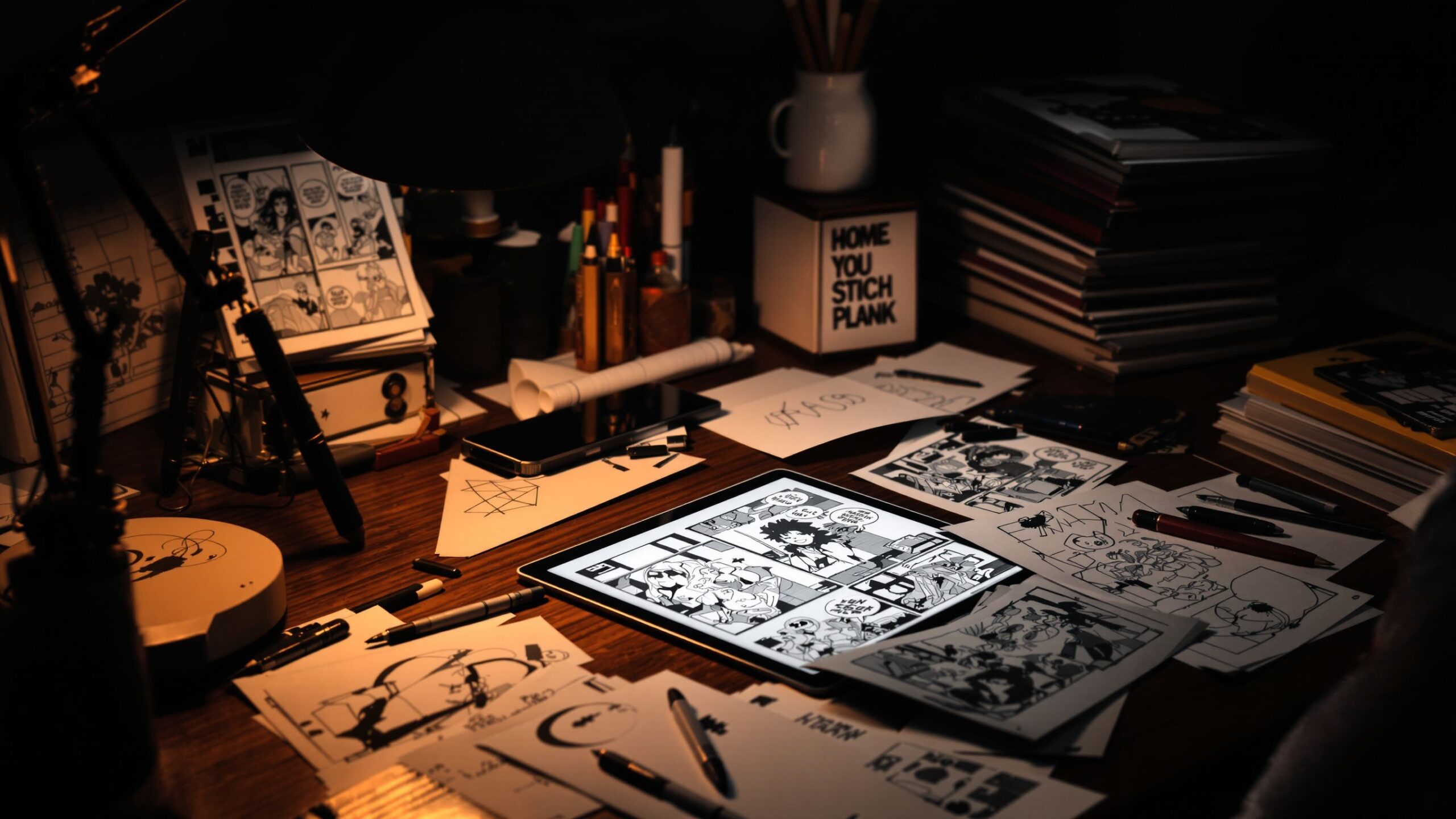
The comic book industry is undergoing a powerful transformation, driven not by major publishers or blockbuster franchises, but by independent creators who are redefining what comics can be. Indie comics, once considered a niche corner of the medium, have surged into the spotlight, capturing the attention of readers worldwide. With bold storytelling, diverse voices, and innovative distribution methods, independent creators are reshaping the landscape of comics in ways that are both exciting and revolutionary. This rise is not just a trend—it represents a fundamental shift in how stories are told, shared, and consumed. Freed from the constraints of traditional publishing, indie creators are exploring new genres, tackling complex themes, and building direct relationships with their audiences. As a result, the comic industry is becoming more inclusive, dynamic, and creatively vibrant than ever before. The rise of indie comics is a story of empowerment, innovation, and the enduring power of storytelling.
A: It is a comic made outside the biggest mainstream publishers, often with more creator ownership and creative freedom.
A: Crowdfunding, digital platforms, and social media have made it easier for creators to reach readers directly.
A: No, some are fully self-published while others are released through small presses or creator-friendly publishers.
A: They often take more creative risks and give creators greater control over characters, tone, and storytelling.
A: Yes, indie comics span everything from superheroes and horror to memoir, romance, satire, and experimental fiction.
A: Because the relationship is often more direct, personal, and community-driven than in traditional publishing.
A: Absolutely, many indie books have grown into breakout successes with devoted fanbases and wide recognition.
A: Yes, many are easier to jump into because they do not require decades of backstory.
A: Limited runs, special editions, and direct creator involvement make them feel unique and meaningful.
A: They are proving that bold ideas, direct support, and creator ownership can shape the future of comics.
What Defines Indie Comics in the Modern Era
Indie comics, short for independent comics, are typically created and published outside the traditional structures of major publishing houses. This independence allows creators to maintain full control over their work, from concept and storytelling to distribution and marketing. Unlike mainstream comics, which often revolve around established characters and shared universes, indie comics are driven by originality and personal expression.
In the modern era, the definition of indie comics has expanded. Thanks to digital platforms and self-publishing tools, creators can produce high-quality work without the need for large budgets or corporate backing. This accessibility has opened the door for a new generation of artists and writers, each bringing unique perspectives and styles to the medium.
Indie comics often prioritize storytelling over spectacle. While mainstream titles may rely on action and continuity, indie works delve into themes such as identity, mental health, relationships, and social issues. This focus on meaningful narratives has resonated with readers who are seeking more than just entertainment—they want stories that reflect real experiences and emotions.
Breaking Free from Traditional Publishing Constraints
For decades, the comic book industry was dominated by a handful of major publishers that controlled distribution, marketing, and access to audiences. While this system produced iconic characters and stories, it also imposed limitations on creativity. Creators often had to adhere to strict guidelines, editorial mandates, and commercial expectations.
Indie comics have disrupted this model by offering an alternative path. Independent creators are no longer bound by corporate oversight, allowing them to take risks and experiment with new ideas. This freedom has led to the emergence of unconventional storytelling techniques, diverse art styles, and narratives that challenge traditional norms.
The absence of gatekeepers has also democratized the industry. Creators from different backgrounds and cultures can now share their stories without needing approval from major publishers. This inclusivity has enriched the medium, bringing fresh voices and perspectives that were previously underrepresented.
The Role of Digital Platforms and Crowdfunding
One of the most significant factors behind the rise of indie comics is the growth of digital platforms. Online publishing tools and marketplaces have made it easier than ever for creators to distribute their work globally. Readers can discover and support indie comics with just a few clicks, creating a direct connection between creators and their audience.
Crowdfunding has also played a crucial role in this transformation. Platforms like Kickstarter and Indiegogo have empowered creators to fund their projects independently, bypassing traditional financing methods. By pitching their ideas directly to fans, creators can gauge interest, secure funding, and build a community around their work before it is even released.
This model has proven to be incredibly effective. Successful crowdfunding campaigns often generate not only financial support but also a sense of ownership among backers. Fans become invested in the success of the project, fostering a deeper connection between creators and their audience.
Diverse Voices and Stories Take Center Stage
Perhaps the most impactful aspect of the indie comics movement is the diversity it brings to the medium. Independent creators are telling stories that reflect a wide range of experiences, cultures, and identities. This diversity is not only enriching the content of comics but also expanding their audience.
Stories that were once considered too niche or unconventional are now finding enthusiastic readers. From deeply personal memoirs to socially conscious narratives, indie comics are pushing the boundaries of what the medium can explore. This shift has allowed comics to evolve into a more inclusive and representative form of storytelling.
The rise of diverse voices has also challenged stereotypes and broadened the perception of what comics are. No longer limited to superheroes and fantasy, comics are now recognized as a versatile medium capable of addressing complex and meaningful topics. This evolution is attracting readers who may not have previously considered themselves comic fans.
Creative Freedom and Artistic Innovation
Indie comics thrive on creative freedom, allowing artists and writers to experiment with new styles and techniques. Without the constraints of traditional publishing, creators can explore unconventional formats, blending visual storytelling with elements of prose, design, and multimedia.
This experimentation has led to a wave of artistic innovation. Indie comics often feature unique art styles that stand out from the polished, uniform look of mainstream titles. From minimalist illustrations to highly detailed, painterly visuals, the diversity of artistic expression in indie comics is vast and inspiring.
Narratively, indie creators are also pushing boundaries. Non-linear storytelling, unconventional pacing, and genre-blending are common in indie works. These innovations challenge readers to engage with stories in new ways, creating a more immersive and thought-provoking experience.
Building Communities and Direct Fan Engagement
One of the defining features of the indie comics movement is the strong connection between creators and their fans. Social media and online communities have made it possible for creators to interact directly with their audience, fostering a sense of community and collaboration.
This direct engagement has transformed the relationship between creators and readers. Fans are no longer passive consumers; they are active participants in the creative process. Through feedback, support, and shared enthusiasm, fans play a crucial role in the success of indie comics.
Conventions and local events also provide opportunities for creators to connect with their audience in person. These interactions strengthen the bond between creators and fans, creating a loyal and supportive community that drives the growth of indie comics.
Challenges Facing Indie Creators
Despite its many advantages, the indie comics movement is not without its challenges. Independent creators often face financial constraints, limited resources, and the pressure of managing every aspect of their work. From writing and illustrating to marketing and distribution, indie creators must wear multiple hats.
Visibility is another significant challenge. With the increasing number of indie comics being produced, standing out in a crowded market can be difficult. Creators must find innovative ways to promote their work and reach potential readers.
Additionally, the lack of traditional support structures can make it harder for indie creators to sustain long-term careers. While crowdfunding and digital platforms provide opportunities, they also require continuous effort and engagement to maintain success.
The Influence of Indie Comics on Mainstream Publishing
The rise of indie comics has not gone unnoticed by mainstream publishers. In fact, it has had a profound influence on the industry as a whole. Major publishers are increasingly embracing diverse storytelling, experimenting with new formats, and seeking out indie talent.
Many successful indie creators have transitioned to mainstream publishing, bringing their unique perspectives and innovative approaches with them. This cross-pollination has enriched the industry, blurring the lines between indie and mainstream comics.
Furthermore, the success of indie comics has demonstrated the demand for original and diverse content. This has encouraged publishers to take more risks and explore new ideas, ultimately benefiting readers by expanding the range of stories available.
The Future of Indie Comics
The future of indie comics is bright and full of potential. As technology continues to evolve, new tools and platforms will further empower creators to produce and distribute their work. Virtual reality, interactive storytelling, and digital innovations may open new avenues for creative expression.
The growing acceptance of comics as a legitimate form of literature and art also bodes well for the indie movement. As more readers embrace comics as a medium for meaningful storytelling, the demand for diverse and innovative content will continue to rise.
Indie comics are not just shaping the present—they are defining the future of the industry. By challenging conventions and pushing boundaries, independent creators are ensuring that comics remain a dynamic and evolving art form.
A Creative Revolution in Motion
The rise of indie comics represents a creative revolution that is transforming the industry from the ground up. Independent creators are breaking barriers, redefining storytelling, and building communities that celebrate creativity and diversity. Their impact is undeniable, influencing both the content and structure of the comic book world.
As indie comics continue to grow, they are proving that great stories do not require massive budgets or corporate backing—only passion, creativity, and a connection with audiences. In this new era of comics, the power lies in the hands of creators and fans alike, shaping a future that is more inclusive, innovative, and inspiring than ever before.