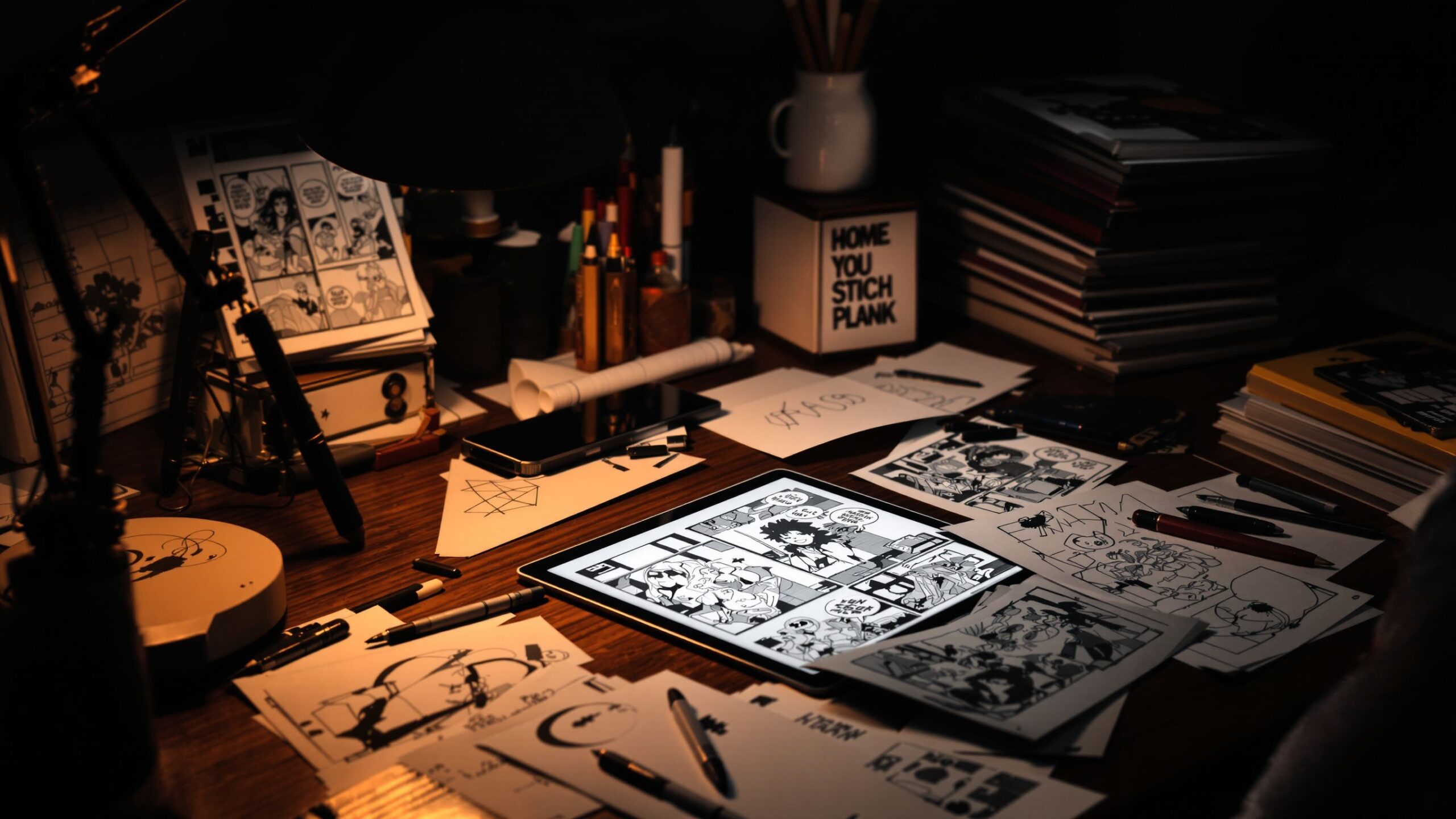
Creating and publishing your own indie comic is one of the most exciting creative journeys you can take, blending storytelling, visual artistry, and entrepreneurship into a single project that can become deeply personal and impactful. Whether you dream of seeing your comic on shelves, selling it online, or building a loyal fanbase, the path from idea to finished book is more accessible than ever thanks to modern digital tools and publishing platforms. However, success requires more than talent alone, as the process demands planning, discipline, and a clear understanding of each stage. From the first spark of an idea to the moment your comic reaches readers, every step shapes how your work is experienced and remembered.
A: No. You can self-publish through digital platforms, print-on-demand, crowdfunding, direct sales, or local comic shops.
A: Usually the script comes first, but some creators thumbnail scenes visually before writing final dialogue.
A: Many first indie comics work well as a 20–32 page issue or a shorter one-shot.
A: Yes if possible. A good editor helps improve pacing, clarity, structure, and reader experience.
A: Yes. Many creators build an audience online first, then collect the story into a physical edition.
A: Printers usually need high-resolution PDF files with proper bleed, trim, margins, and cover formatting.
A: Add printing, shipping, fees, packaging, creator costs, and profit margin before choosing a price.
A: It can be, but only with strong planning, audience building, realistic rewards, and accurate shipping estimates.
A: Prepare a professional pitch with sample pages, wholesale pricing, a sell sheet, and clear ordering details.
A: Rushing to publish before the script, artwork, files, budget, and launch plan are truly ready.
Finding Your Comic Idea and Defining Your Vision
Every great comic begins with a strong idea, but transforming that idea into a publishable concept requires refinement and intention. Start by identifying the kind of story you want to tell and why it matters, because indie comics often stand out when they reflect unique perspectives or personal experiences. Choosing a genre and tone early helps guide your decisions, whether you lean toward sci-fi, fantasy, slice-of-life, or something experimental. As your concept develops, define your core premise clearly so you understand what makes your story compelling, then build out characters, world details, and thematic elements that support it. A clear creative vision acts as a roadmap, helping you stay consistent and motivated throughout the long production process.
Writing a Script That Flows Visually
Writing a comic script requires balancing narrative structure with visual storytelling, ensuring that each page works as both a piece of writing and a visual experience. Begin by outlining your story arc so you understand how the beginning, middle, and end connect, then break that structure into pages and panels that control pacing and flow. Dialogue should feel natural while serving a purpose, whether it reveals character or moves the story forward, and it should never overwhelm the artwork. Equally important is knowing when to let the visuals speak for themselves, as silent panels can carry emotional weight and create powerful storytelling moments. A well-crafted script provides direction without restricting creativity, allowing the art to elevate the narrative.
Developing Your Art Style and Visual Identity
Your art style is one of the most recognizable aspects of your comic, shaping how readers experience your story and connect with its world. While it can be tempting to chase perfection, consistency and clarity are far more important, as a cohesive style helps readers stay immersed. Experiment with character designs, environments, and visual tones until you find an approach that matches your story’s mood, whether that involves bold lines, soft shading, or vibrant colors. Creating reference sheets for characters and settings ensures visual continuity, especially in longer projects. Over time, your style will naturally evolve, but establishing a strong visual identity early gives your comic a professional and memorable presence.
Planning Your Workflow and Production Process
Producing a comic requires careful organization, as the process involves multiple stages that must be completed in sequence. Breaking your work into manageable phases such as scripting, sketching, inking, coloring, and lettering allows you to stay focused and avoid feeling overwhelmed. Setting realistic goals for each stage helps maintain momentum, whether you are working daily or fitting the project into a busy schedule. If you are collaborating with others, clear communication and deadlines become essential to keep everything on track. A structured workflow not only improves efficiency but also helps you maintain consistent quality throughout the project.
Designing Pages That Guide the Reader
Page layout plays a crucial role in how your story is experienced, influencing pacing, tension, and emotional impact. Each page should guide the reader’s eye naturally from one panel to the next, creating a smooth and engaging flow. Larger panels can highlight important moments, while smaller panels can speed up action or emphasize detail, allowing you to control how the story unfolds. Variety in layout keeps the reading experience dynamic, but clarity should always remain the priority so readers never feel lost or confused. Strong composition, thoughtful spacing, and clear focal points ensure that your pages are both visually appealing and easy to follow.
Lettering and Dialogue Presentation
Lettering is an essential element of comic creation that directly affects readability and professionalism. Choosing the right fonts and maintaining consistent spacing ensures that dialogue is easy to read and visually cohesive with the artwork. Speech bubbles should be placed carefully to guide the reader’s eye in the correct order, avoiding confusion or disruption in the flow. Sound effects and captions can add depth and atmosphere when used thoughtfully, enhancing the storytelling without overwhelming the visuals. Well-executed lettering ties everything together, making your comic feel polished and complete.
Preparing Your Comic for Print and Digital Formats
Before publishing, your comic must be properly formatted to meet the technical requirements of both print and digital platforms. High-resolution files are essential for print, typically at 300 DPI, with proper bleed and margins to prevent important elements from being cut off. For digital formats, optimizing your files for screen viewing ensures clarity and accessibility across devices. Reviewing your comic in its final format is a critical step, as it allows you to catch any errors or inconsistencies before release. Taking the time to perfect your files ensures that your work is presented at its best, whether in physical or digital form.
Choosing Between Self-Publishing and Print-on-Demand
When it comes to publishing your comic, you have several options that each offer different advantages. Traditional self-publishing involves printing copies in bulk, giving you full control over production and distribution, but it also requires upfront investment and storage space. Print-on-demand services provide a more flexible alternative, allowing you to print copies only when orders are placed, reducing financial risk while simplifying logistics. Digital publishing offers another pathway, enabling you to reach a global audience instantly through online platforms. Many creators combine these methods to maximize both reach and profitability, creating a balanced approach to distribution.
Building Your Brand and Audience
Publishing your comic is only the beginning, as building an audience is essential for long-term success. Establishing an online presence allows readers to discover your work and follow your journey, creating a connection that goes beyond the pages of your comic. Sharing progress updates, artwork, and behind-the-scenes content helps engage your audience and keep them invested in your project. Your brand should reflect your unique voice and style, making your work recognizable and memorable. Over time, consistent engagement and authenticity can turn casual readers into dedicated fans.
Marketing Your Indie Comic Effectively
Marketing plays a crucial role in ensuring that your comic reaches the right audience. Understanding who your readers are and where they spend their time allows you to focus your efforts more effectively. Social media platforms, online communities, and collaborations with other creators can help expand your reach and generate interest. Teasers, previews, and launch announcements create anticipation and encourage readers to support your work. A well-planned marketing strategy ensures that your comic doesn’t just exist but thrives in a competitive landscape.
Selling and Distributing Your Comic
Distribution is the final step in bringing your comic to readers, and choosing the right channels can significantly impact your success. Selling directly through your own website or at events gives you full control over pricing and presentation, while online marketplaces provide access to a wider audience. Conventions and local events offer opportunities to connect with readers in person, building relationships that can lead to long-term support. Presentation also matters, as a professionally packaged comic creates a strong first impression and encourages readers to take your work seriously.
Learning from Feedback and Improving
Once your comic is released, feedback becomes an invaluable tool for growth. Paying attention to reader responses helps you understand what resonates and what could be improved, guiding your future projects. Constructive criticism should be viewed as an opportunity rather than a setback, allowing you to refine your storytelling and artistic skills. Every project you complete adds to your experience, helping you develop a stronger voice and a more polished approach. Continuous improvement is what turns a passionate creator into a skilled professional.
Staying Consistent and Building a Career
Publishing one comic is a major achievement, but building a lasting presence in the indie comic world requires consistency and dedication. Continuing to create, experiment, and evolve your craft helps you develop a body of work that defines your identity as a creator. Challenges and setbacks are inevitable, but persistence is what separates those who succeed from those who give up. Over time, your commitment to your vision and your willingness to grow will open new opportunities and expand your reach.
Turning Your Vision Into Reality
Publishing your own indie comic is a powerful expression of creativity and independence, allowing you to share your story with the world on your own terms. From the earliest stages of development to the final product in a reader’s hands, every step of the journey contributes to something meaningful and lasting. While the process can be demanding, it is also deeply rewarding, offering a sense of accomplishment that few creative endeavors can match. With the right mindset, tools, and determination, you can transform your idea into a finished comic that connects with readers and leaves a lasting impression.