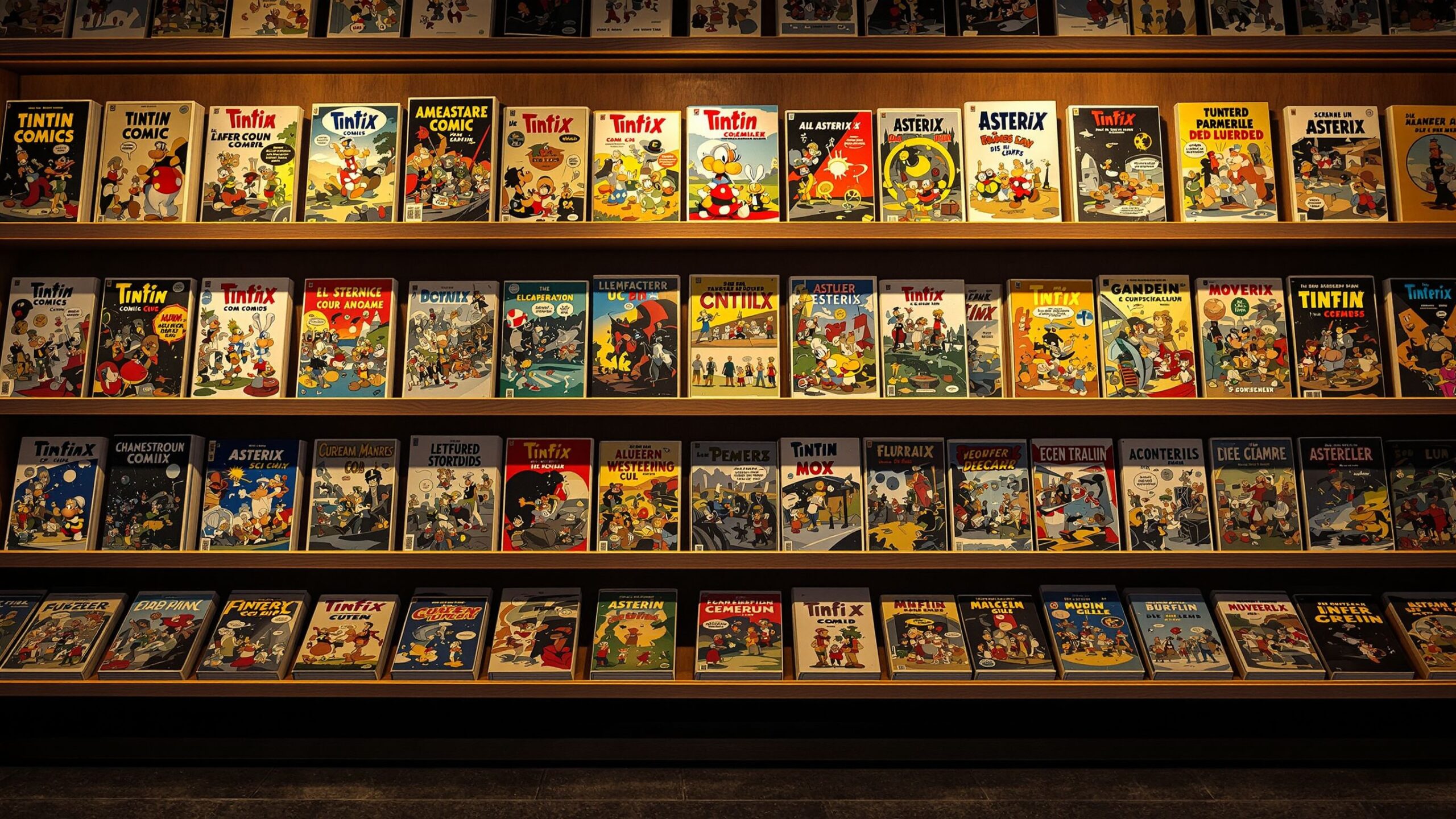
European comics and American superhero comics may share the same medium, but they often feel like entirely different worlds. From the way stories are structured to how they are published and consumed, each tradition has developed its own identity shaped by culture, history, and creative priorities. While American superhero comics are often fast-paced, serialized, and focused on larger-than-life characters, European comics tend to embrace slower storytelling, artistic detail, and a broader range of genres. These differences are not just stylistic choices but reflections of how each region views comics as an art form and a storytelling tool.
A: Not better, just different. European comics often emphasize albums, art styles, and creator voices, while superhero comics emphasize icons, action, and continuity.
A: Many were created for larger album pages and slower release schedules, giving artists more space for scenery, background detail, and visual polish.
A: Yes, but superheroes are not the dominant tradition the way they are in mainstream American comics.
A: Major publishers built shared universes where characters can meet, team up, reboot, and cross over across many titles.
A: It is a larger-format comic book, often hardcover or softcover, usually built around a complete adventure or substantial chapter.
A: No. European comics range from children’s humor to literary drama, adult satire, historical fiction, crime, fantasy, and experimental art.
A: Reboots help refresh long-running characters, simplify continuity, and introduce familiar heroes to new readers.
A: Start with accessible classics like Tintin, Asterix, Blacksad, Valérian, Corto Maltese, or The Incal depending on your taste.
A: Larger pages, careful pacing, scenic detail, and strong visual composition can make them feel like illustrated films.
A: Absolutely. Superhero comics deliver mythic energy and shared-universe excitement, while European comics offer visual variety, genre range, and distinctive creator voices.
Storytelling Approaches and Narrative Structure
One of the most noticeable differences lies in how stories are told and structured. American superhero comics, especially those from major publishers, often follow ongoing narratives that stretch across years or even decades. Characters evolve gradually, and storylines frequently intersect, creating expansive universes that require long-term engagement from readers. This approach encourages continuity and interconnected storytelling, where events in one series can impact many others.
In contrast, European comics often favor self-contained stories or shorter series with clearly defined beginnings and endings. Many European albums are designed to be read as complete experiences, allowing creators to craft tightly focused narratives without the need to maintain long-term continuity. This structure gives writers the freedom to experiment with pacing, themes, and storytelling techniques, resulting in works that feel more like complete novels than ongoing episodes.
Artistic Style and Visual Detail
The visual differences between these two traditions are equally striking. American superhero comics typically emphasize dynamic action, bold colors, and exaggerated anatomy, all designed to convey movement and energy. Panels are often packed with dramatic poses and intense moments, creating a sense of constant motion and excitement.
European comics, on the other hand, are often known for their meticulous detail and carefully composed artwork. Artists frequently spend more time on each panel, creating richly textured environments and expressive characters that draw readers into the world. Styles can vary widely, from the clean precision of Hergé’s work on The Adventures of Tintin to the intricate and imaginative designs of Moebius. The focus is often less on speed and spectacle and more on atmosphere and immersion.
Genre Diversity and Creative Freedom
American superhero comics are heavily associated with the superhero genre, which dominates the market and shapes reader expectations. While there are certainly exceptions, much of the industry revolves around characters with extraordinary abilities, battling villains in high-stakes conflicts. This focus has created a recognizable and commercially successful formula, but it can also limit the range of stories being told.
European comics, by contrast, span a wide array of genres, including historical drama, science fiction, fantasy, romance, political commentary, and autobiographical storytelling. Works like Persepolis by Marjane Satrapi demonstrate how European comics can tackle deeply personal and complex subjects. This diversity is supported by a publishing culture that encourages experimentation and values comics as a legitimate form of literature and art.
Publishing Formats and Reading Experience
The way comics are published also contributes to their differences. American superhero comics are often released as monthly issues, each containing a portion of a larger story. These issues are later collected into trade paperbacks, but the primary format encourages regular, ongoing consumption.
European comics are typically published as larger, hardcover or softcover albums that contain a full story or a significant portion of one. These albums are often released less frequently but are designed to be complete and visually impressive. The larger page size allows for more detailed artwork and a more immersive reading experience, reinforcing the idea that each volume is a standalone work of art.
Cultural Influence and Audience Expectations
Cultural context plays a major role in shaping these differences. In the United States, comics have historically been associated with entertainment and escapism, particularly for younger audiences, although this perception has evolved over time. Superhero narratives often reflect themes of heroism, justice, and individual power, aligning with broader cultural ideals.
In many European countries, comics are widely recognized as a legitimate art form enjoyed by readers of all ages. This acceptance allows creators to explore more mature themes and complex narratives without being confined to specific genres or expectations. The audience for European comics is often more diverse, which encourages a wider range of storytelling styles and subject matter.
Creator Ownership and Artistic Control
Another key difference lies in the level of creative control afforded to creators. In the American superhero industry, many iconic characters are owned by large publishers, and creators work within established guidelines to maintain consistency across multiple titles. This system supports large-scale storytelling but can limit individual creative expression.
European comics often place a greater emphasis on creator ownership, allowing writers and artists to retain more control over their work. This freedom enables them to take risks, experiment with new ideas, and develop unique voices. As a result, many European comics feel more personal and distinctive, reflecting the vision of their creators without compromise.
Pacing and Reading Rhythm
The pacing of stories in European comics tends to be more deliberate, giving readers time to absorb both the narrative and the artwork. Scenes are often allowed to breathe, with an emphasis on mood, atmosphere, and character development. This slower rhythm creates a more immersive experience that encourages readers to linger on each page.
American superhero comics, by contrast, often prioritize momentum and action, with fast-paced sequences and frequent plot developments. This approach keeps readers engaged from one issue to the next but can sometimes sacrifice depth in favor of excitement. Both styles have their strengths, but they cater to different reading preferences.
Influence on Global Comics Culture
Despite their differences, European comics and American superhero comics have influenced each other in significant ways. European artists have inspired American creators to experiment with new styles and storytelling techniques, while American comics have introduced European audiences to the appeal of shared universes and serialized narratives. This exchange has enriched the medium as a whole, leading to greater diversity and innovation.
Today, many creators draw from both traditions, blending elements to create hybrid works that appeal to a global audience. This cross-pollination highlights the evolving nature of comics and the endless possibilities within the medium.
Why These Differences Matter
Understanding the differences between European comics and American superhero comics provides valuable insight into how storytelling can vary across cultures. Each tradition offers unique strengths, from the expansive universes of American comics to the artistic depth and narrative focus of European works. Exploring both allows readers to appreciate the full range of what comics can achieve.
A Broader Appreciation of Comics as an Art Form
Ultimately, the contrast between these two traditions underscores the versatility of comics as a medium. Whether you are drawn to the high-energy adventures of superheroes or the richly detailed worlds of European albums, both styles offer meaningful and engaging experiences. By exploring their differences, readers can develop a deeper appreciation for the art form and discover new perspectives that expand their understanding of storytelling.