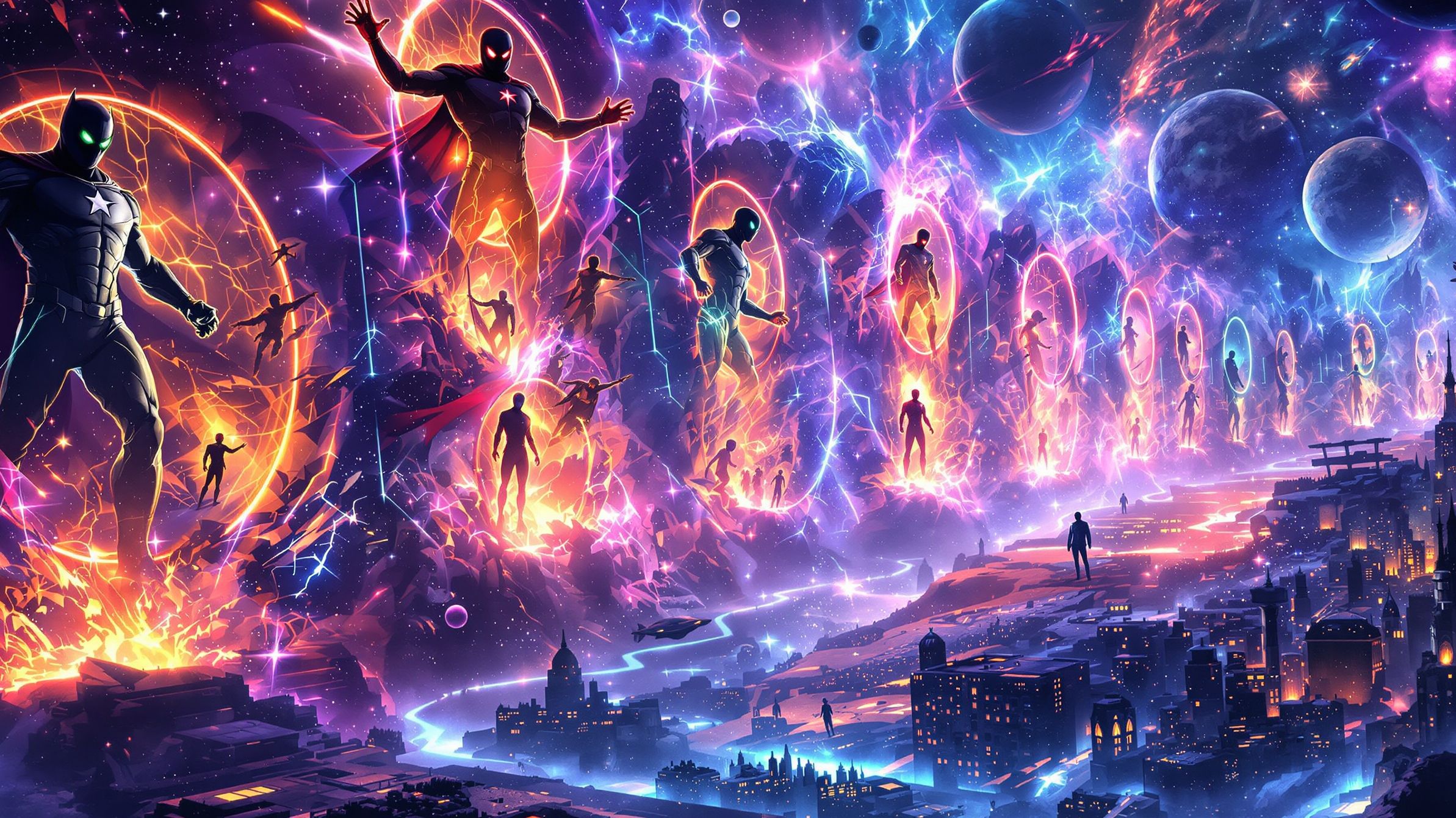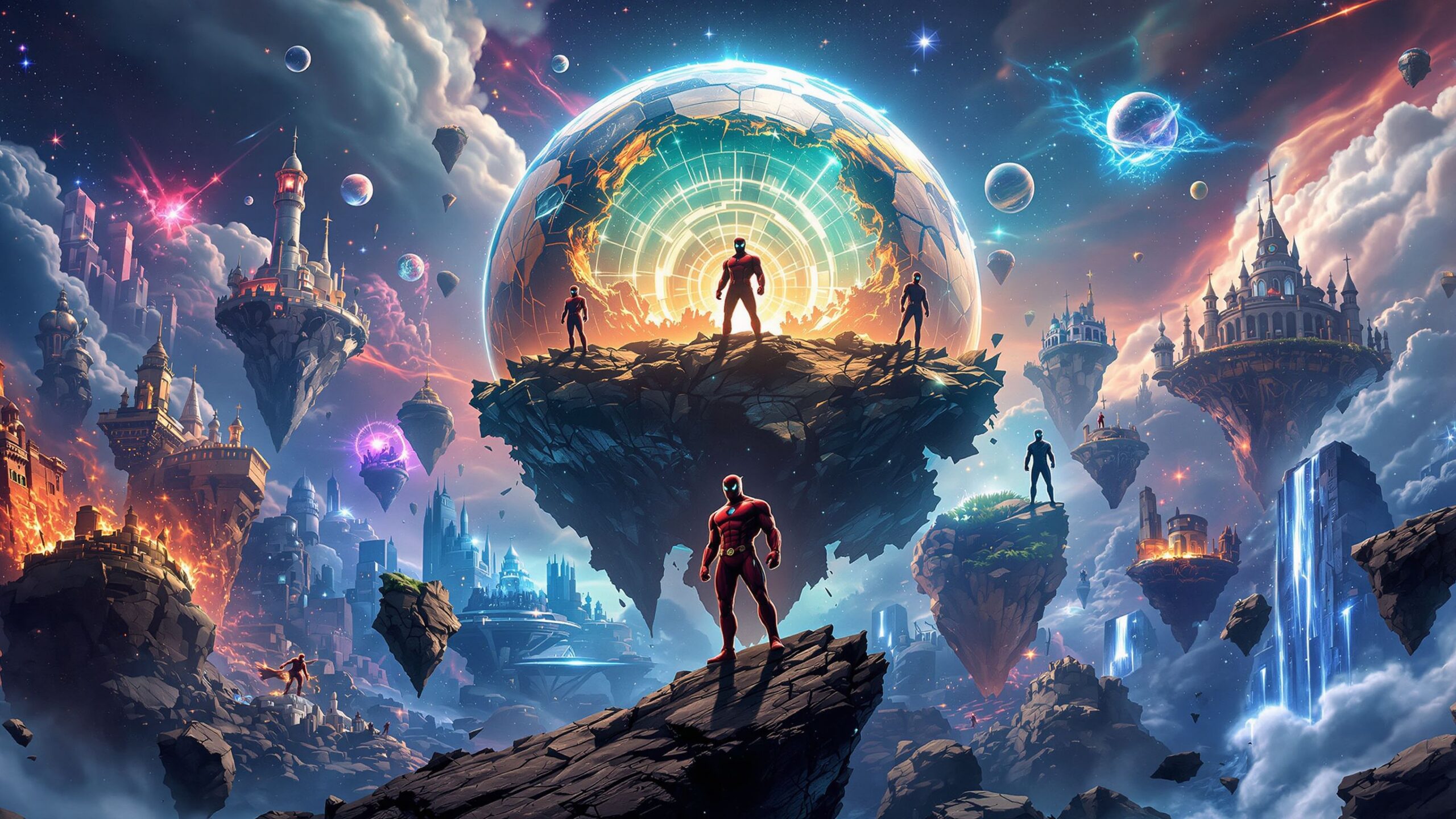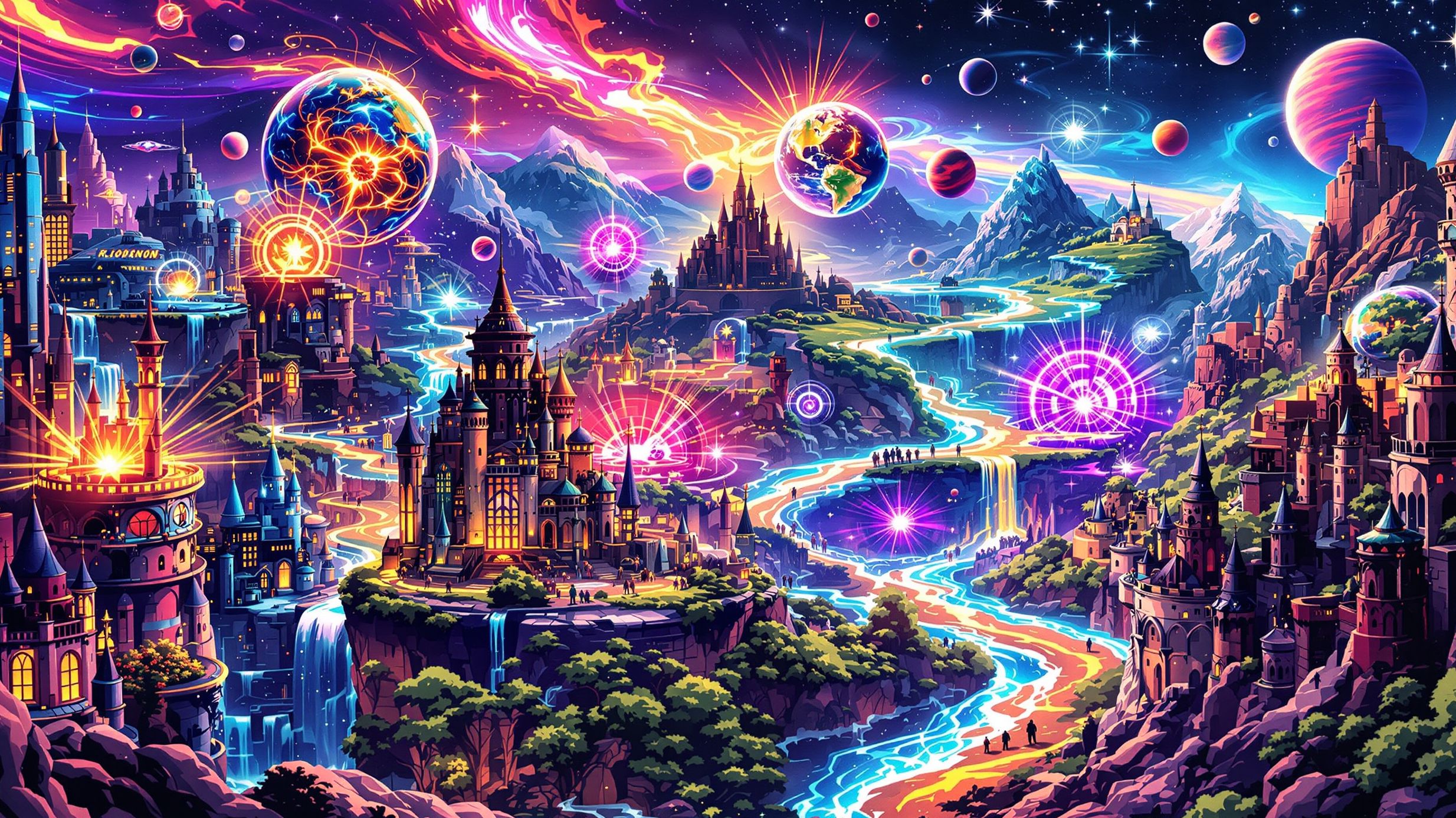
Comic books are famous for their larger-than-life heroes, unforgettable villains, and action-packed adventures, but one of their most exciting storytelling tools is the concept of alternate universes. These parallel worlds allow creators to imagine entirely different versions of familiar characters and explore stories that would be impossible within the main comic book timeline. A beloved hero might grow up in another country, history could unfold differently, or a single decision could completely reshape an entire world. For new readers, the idea of multiple universes may seem confusing at first, but understanding the basics makes comic books even more enjoyable. Alternate universes have become one of the defining features of modern comics. They give writers unlimited creative freedom while allowing readers to experience fresh interpretations of legendary characters without replacing the originals. Whether you’re interested in superhero adventures, science fiction, fantasy, or dramatic character stories, alternate universes offer something for everyone. This beginner’s guide explains how alternate universes work, why they exist, and why they continue to be one of the most fascinating aspects of comic book storytelling.
A: It is a separate version of a comic world where characters, history, or major events are different from the main timeline.
A: Not exactly. An alternate universe is one world, while a multiverse is a group of many different universes.
A: Yes, many are self-contained and easier to read than long-running main continuity stories.
A: Some do within the wider multiverse, but they may not affect the main timeline.
A: Different universes allow writers to explore new origins, choices, futures, and consequences.
A: Start with well-known stories like Superman: Red Son, Spider-Gwen, Flashpoint, or Marvel’s What If...?
A: They make familiar heroes feel new while keeping the parts fans already love.
A: Yes, popular versions can return often and sometimes become major characters in their own right.
A: They can be at first, but focusing on one story or character makes them much easier to understand.
A: A strong twist, clear stakes, emotional character choices, and a world that feels different for a reason.
What Is an Alternate Universe?
An alternate universe is a separate reality that exists alongside the primary comic book universe. While many of the same characters may exist, their lives often unfold very differently because history, personal choices, or major events have changed. These realities operate independently from one another, meaning actions in one universe usually do not affect another unless a special crossover occurs.
Some alternate universes differ only slightly from the main continuity, while others completely reinvent everything readers know. Heroes may have different origins, villains may become protectors, and entire civilizations may develop in unique ways. This flexibility allows creators to tell fresh stories while keeping the original universe intact.
Understanding the Multiverse
The multiverse is the collection of all alternate universes that exist within a comic book publisher’s fictional reality. Instead of one Earth or one timeline, there are countless parallel worlds, each with its own history, characters, and future.
Every universe exists independently but can sometimes interact with others through dimensional travel, cosmic events, advanced technology, or extraordinary powers. These interactions often lead to exciting crossover stories where alternate versions of heroes meet for the first time, creating memorable adventures that expand the scope of comic book storytelling.
Why Comic Books Created Alternate Universes
Comic books have been published for decades, and over time writers wanted opportunities to tell new stories without permanently changing beloved characters. Alternate universes provided the perfect solution by creating separate worlds where anything could happen.
Writers could experiment with bold ideas, dramatic endings, or surprising character developments without affecting the ongoing adventures taking place in the primary universe. This creative freedom has allowed some of the most imaginative and critically acclaimed stories in comic book history to flourish.
How Alternate Universes Begin
Most alternate universes begin with a single major difference. Sometimes history changes because an important event ends differently. Other times a character makes a different decision that creates a completely new future. Even seemingly small choices can produce enormous consequences over time.
For example, a hero who chooses compassion instead of revenge may inspire peace across an entire world. Alternatively, one tragic mistake could lead to years of conflict and suffering. These branching possibilities demonstrate how interconnected every event can become.
Different Types of Alternate Universes
Not all alternate universes are created the same. Some closely resemble the main comic book world with only a few differences, making them easy for new readers to understand. Others completely reinvent familiar settings by placing superheroes into fantasy kingdoms, futuristic civilizations, medieval worlds, or post-apocalyptic landscapes.
Certain universes focus on darker versions of familiar stories, while others embrace humor or imaginative “what if” scenarios. This incredible variety ensures that readers can always discover new worlds filled with unique adventures and unexpected twists.
Parallel Versions of Famous Heroes
One of the most enjoyable aspects of alternate universes is meeting different versions of legendary heroes. While these characters often share recognizable names and appearances, their personalities, abilities, and life experiences may differ dramatically.
A hero who grows up in a peaceful world may become optimistic and compassionate, while another raised during constant conflict might develop a much darker outlook. Some alternate versions possess entirely new powers or wear redesigned costumes, allowing artists and writers to explore fresh creative directions while preserving each character’s recognizable identity.
Heroes and Villains Can Switch Roles
Alternate universes frequently reverse traditional roles by transforming heroes into villains or turning infamous villains into unlikely champions. These dramatic changes create compelling stories because readers already understand the original versions of these characters.
Watching a trusted hero become a tyrant or seeing a notorious villain sacrifice everything to protect innocent people forces readers to reconsider their assumptions about morality, destiny, and personal choice. These stories demonstrate that circumstances often influence behavior just as much as personality.
Dystopian and Utopian Worlds
Many alternate universes explore either the best or worst possible futures. Dystopian realities depict worlds filled with oppression, corruption, environmental disasters, or powerful dictators. These stories often emphasize resilience and hope as heroes struggle to restore freedom.
On the opposite end of the spectrum, utopian universes imagine societies where peace, advanced technology, and cooperation have solved many traditional conflicts. Although these worlds appear perfect, they often introduce new ethical questions that challenge both characters and readers.
The Importance of “What If?” Stories
The question “What if?” sits at the heart of nearly every alternate universe. By changing one important event, writers can explore countless fascinating possibilities that would never occur within standard continuity.
What if a hero never discovered their powers? What if a legendary battle ended differently? What if history followed another path entirely? These simple questions open the door to limitless storytelling opportunities that encourage creativity while rewarding longtime fans with surprising new perspectives.
Crossovers Between Universes
One of the most exciting moments in comic books occurs when characters from different universes meet. These crossover events often involve cosmic threats capable of affecting multiple realities at once, forcing heroes from separate worlds to work together.
Crossovers allow readers to compare alternate versions of their favorite characters while exploring the unique strengths and weaknesses each brings to the story. These events frequently become some of the largest and most memorable adventures in comic book history because they celebrate the enormous scope of the multiverse.
Why Alternate Universes Matter
Alternate universes are much more than entertaining side stories. They encourage readers to think about how choices shape individuals and societies. By presenting familiar characters under different circumstances, these stories explore themes such as destiny, responsibility, identity, forgiveness, sacrifice, and redemption.
Many alternate universe stories ask philosophical questions that extend beyond superheroes. They encourage readers to reflect on their own decisions and consider how different choices might have changed their own lives.
Artistic Freedom in Alternate Worlds
Artists benefit tremendously from alternate universes because they are free to redesign nearly every aspect of a familiar world. Costumes become more futuristic, cities transform into sprawling cyberpunk landscapes, ancient kingdoms replace modern skylines, and advanced technology coexists with fantasy elements.
This creative freedom produces visually stunning comic books that stand apart from traditional continuity. Every alternate universe develops its own unique appearance, helping readers instantly recognize when they have entered a completely different world.
How Alternate Universes Welcome New Readers
Many beginners worry that decades of comic book history make the hobby difficult to enter, but alternate universes often provide excellent starting points. Since many stories exist independently from the primary continuity, readers can enjoy complete adventures without needing extensive background knowledge.
These self-contained stories introduce iconic heroes through fresh perspectives while remaining accessible to audiences of all experience levels. Once readers become familiar with alternate universes, exploring the larger comic book multiverse becomes much less intimidating.
Common Misconceptions About Alternate Universes
One common misconception is that alternate universes replace the main comic book continuity. In reality, they exist alongside the primary universe rather than replacing it. The original versions of beloved characters continue their adventures while alternate interpretations provide additional storytelling opportunities.
Another misconception is that alternate realities are confusing. While the multiverse can appear complex initially, most stories clearly establish which universe readers are visiting and explain any important differences. With a little practice, following multiple realities becomes surprisingly straightforward.
The Lasting Influence of Alternate Universes
The popularity of alternate universes has expanded far beyond comic books. Movies, animated series, television shows, and video games regularly feature multiverse concepts inspired by decades of comic book storytelling. Audiences now enjoy watching alternate versions of familiar heroes interact across different realities, making the multiverse one of the defining trends in modern entertainment.
As technology continues advancing and storytelling evolves, alternate universes will almost certainly remain central to superhero fiction. Their limitless creative possibilities ensure they will continue inspiring new generations of readers and creators alike.
Conclusion
Alternate universes have transformed comic books into one of the most imaginative forms of storytelling ever created. By allowing writers and artists to explore endless possibilities, they introduce fresh versions of beloved heroes, fascinating new worlds, and unforgettable adventures that challenge readers’ expectations while preserving the original continuity.
For beginners, understanding alternate universes opens the door to an exciting multiverse filled with creativity, mystery, and endless discovery. Every parallel world offers a new perspective, every different timeline presents another possibility, and every story demonstrates that imagination truly has no limits. Whether you’re just beginning your comic book journey or looking to deepen your appreciation of the medium, alternate universes provide some of the richest, most entertaining stories comics have to offer.